
The Private Club Experience: A Guide to Northern Nevada’s Most Exclusive Memberships

The Private Club Experience: A Guide to Northern Nevada’s Most Exclusive Memberships

A private-club decision can shape a home search as meaningfully as a view corridor or commute, but membership and real estate commonly have separate approvals, documents, and costs. This guide covers four Nevada clubs and two nearby California clubs in the immediate Tahoe-Carson-Reno sphere, beginning with lifestyle fit and ending with the diligence required to align a club opportunity with the right property.

Start With the Decision Framework

Begin with use pattern rather than club prestige. Golf-first buyers should test course access, practice depth, seasonality, guest rules, and whether a championship 18-hole experience is essential. A household expecting partners, children, adult children, or guests to participate should give equal weight to pools, racquet sports, camps, dining, wellness, lake access, and winter programming. A golf tier can include broad family amenities at one club, while a social tier elsewhere deliberately excludes golf or other facilities.


Next, separate place from membership. A gated community may offer trails, beach rights, security, or an association recreation center without conveying club access; some clubs also market a non-resident path. The decisive question is whether the club can approve the exact category a household needs on the purchase timetable. Finally, treat social culture as a firsthand-fit issue, not a label. The interpretations below are grounded in documented amenities and programming, not assertions about member demographics. A hosted round, weekday meal, and peak-period visit are the most reliable tests of fit.

At-a-Glance Comparison

ClubLocationMembership and Access SnapshotLifestyle AnchorsCurrent Fee and Waitlist Visibility
The Club at ArrowCreekSouth Reno, NevadaPrivate and referral/sponsorship-led; Golf, Corporate, Sport, Junior Executive, Executive Pathway, and Social categories.Two private 18-hole courses, pool, fitness, indoor pickleball, dining, and family programming.Current initiation and dues are inquiry-only; Social is expressly waitlisted.
Montreux Golf & Country ClubSouth Reno, NevadaPrivate, member-owned; Golf, Sports, and Clubhouse tiers.Jack Nicklaus Signature golf, practice, pools, racquet sports, fitness, and youth programs.Current initiation, dues, and waitlist information are not publicly disclosed.
Clear Creek TahoeCarson City/Carson Range, NevadaPrivate and invitation-led; golf requires a separate application and approval. A limited non-resident offering is marketed.Coore & Crenshaw golf, lake/ski house, wellness, trails, and family recreation.Current official initiation, dues, and quantified waitlist information are not publicly disclosed.
The Glenbrook ClubEast Shore Lake Tahoe, NevadaPrivate and member-based; Resident and limited Non-Resident categories are published.Historic nine-hole golf, member dining, and intimate social programming.Current initiation, dues, and waitlist information are not publicly published.
Martis Camp ClubTruckee/Martis Valley, CaliforniaPrivate multi-generational club; Golf and Social categories are subject to availability and approval.Tom Fazio golf, private Northstar connection, family recreation, wellness, and Tahoe beach facility.Current initiation, dues, and waitlist information are not publicly disclosed.
Lahontan Golf ClubTruckee/Martis Valley, CaliforniaPrivate; official Golf and Social memberships.Tom Weiskopf golf, Par-3 course, Camp Lahontan, spa/fitness, pools, and racquet sports.Current initiation, dues, and waitlist information are not publicly disclosed.

Nevada Clubs: South Reno, Carson Range, and East Shore

The Club at ArrowCreek: Two Courses and an Active Social Calendar

The Club at ArrowCreek is a private 36-hole club in South Reno’s Sierra foothills. Its Legend course is designed by Arnold Palmer; Challenge is designed by Fuzzy Zoeller and John Harbottle. Golf, Corporate, Sport, Junior Executive, Executive Pathway, and Social categories are published. Full golf centers on the two courses and practice facilities, while Sport is the non-golf club experience. Social is represented as dining, events, and charging privileges, rather than golf, fitness, pool, or pickleball access.


The off-course program includes multiple dining venues, a 25,000-square-foot pool deck, fitness and Pilates, four indoor pickleball courts, bocce, Kids Club, seasonal camp, and culinary, music, hobby, and club events. Editorial interpretation: that breadth suggests a polished, family-inclusive, high-participation option rather than a golf-only enclave. Admission begins with a member referral or sponsor, though the Club says an Ambassador may help a newcomer identify one. Social Membership is expressly waitlisted; availability for every other category and all queue terms require direct confirmation.


Homeownership and club membership are separate, and ArrowCreek HOA’s Residents’ Center, trails, and common amenities are not Club privileges. The Club publicly states that it has no member assessments and no food-and-beverage minimums, but the current written membership agreement should govern the meaning and scope of those statements.


Montreux Golf & Country Club: Championship Golf With Family Depth

Montreux is a private, member-owned club and gated community in South Reno. Its Jack Nicklaus Signature course is a private par-72 layout of roughly 7,500 yards, including a 138-foot tee-to-fairway drop on the 17th. It hosted the Reno–Tahoe Open/Barracuda Championship from 1999 through 2019, a historic credential rather than a current tournament-host claim.


Golf, Sports, and Clubhouse tiers are publicly identified. Golf gives immediate-family access to golf, practice, fitness, clubhouse, tennis, pickleball, sport court, pools/hot tubs, and winter simulators. Sports has broad recreation and social access but only up to eight annual rounds per person at the accompanied guest rate, subject to availability and timing limits. The club also identifies range and practice resources, instruction, youth swim and golf, fitness, adult spa, dining, and children’s camps.


Editorial interpretation: this program reads as participation-oriented and residential, not golf alone; non-golfing partners and children have several documented reasons to use it. Buyers should still test winter golf realities, tee-time demand, dining reservations, and the actual social rhythm during a hosted visit. Current initiation, dues, food-and-beverage, capital, availability, and transfer terms are not public. The community’s approximately 540 homesites within 726 acres do not change the need to underwrite the property and Club separately.


Clear Creek Tahoe: Mountain Golf With Lake and Ski Reach

Clear Creek Tahoe is a gate-guarded private mountain community and club in Nevada’s Carson City/Carson Range area. Its 18-hole course is by Bill Coore and Ben Crenshaw, described by the Club as their only mountain-course design, with a dedicated practice facility, instruction, shop, and Swift’s Station.


Its distinction is a mountain-to-lake amenity structure: clubhouse dining, fitness, movement studios, wet areas, and treatments; Summit Camp pools, tennis, sport/pickleball, bocce, trails, and family recreation; and the Julia Morgan-designed Twin Pines Lake & Ski House with 180 feet of shoreline, beach, pier, watersports, and Heavenly-oriented winter use. Editorial interpretation: those assets make Clear Creek an activity-forward family club, although its guest policy also reflects traditional private-club conventions around attire, pace of play, smoke-free facilities, and food and beverage.


The central transaction fact is explicit: buying property does not include golf access. Separate club membership, application, approval, fees, and dues apply. Membership is invitation-led through a current-member referral or direct club invitation, and the Club markets a limited number of Non-Resident Golf & Club Memberships. Neither statement establishes present availability. Current official initiation, dues, assessment, and transfer terms are not public.


The Glenbrook Club: Intimate East Shore Private-Club Living

The Glenbrook Club is a private, member-based East Shore Lake Tahoe club. It publishes Resident and limited Non-Resident memberships through inquiry, but its public material does not state current eligibility, availability, sponsorship, pricing, waitlist, transfer, or refund terms.


Its anchor is a private, approximately 100-year-old nine-hole course measuring 2,715 yards, alongside year-round member-and-guest clubhouse dining, a full-service bar, lakeside deck/patio, and social calendar. Editorial interpretation: Glenbrook appears to favor an understated, close-knit lakeside rhythm rather than a high-volume destination-club schedule. It may complement a privacy-first lake-home lifestyle, but it is not positioned as a substitute for the 18-hole, spa, pool, or ski infrastructure documented at several other clubs.


Club membership and HOA/property rights need separate diligence. HOA-managed beaches, pier, and buoy-field rights are parcel and association matters, not automatic Club amenities. Current Club initiation and dues are not published; dated third-party figures, where encountered, are not current Club quotes.

California Clubs in the Immediate Tahoe Sphere

Martis Camp Club: Multi-Generational Mountain Resort Infrastructure

Martis Camp Club is in Truckee, California (not Nevada) within the gated Martis Valley community. Its private Golf and Social memberships are subject to availability and Club approval; its multi-generational structure includes parents and grown children and may pass to future heirs.


The amenity mix includes a Tom Fazio 18-hole course and Dick Bailey Putting Park; Camp Lodge dining, spa, fitness, pool, and soaking tubs; the Family Barn’s pool, bowling, theater, indoor recreation, and concerts; a Tahoe Vista Beach Shack; and private Northstar access through the Martis Camp Express and Lookout Lodge. Editorial interpretation: this is a highly programmed intergenerational mountain-resort model, particularly relevant for extended families who will regularly use its golf, ski, lake, arts, and recreation assets. It is a use-case distinction, not an assertion that the Club is objectively best.


A homesite or home purchase does not include amenity access or guarantee membership. The Club is the sole membership transfer agent, and public materials do not disclose current initiation, dues, assessments, availability, refundability, or transfer mechanics. Formal approval for the exact category should precede any assumption of club access in a real-estate offer.


Lahontan Golf Club: Classic Tahoe Character and Family Recreation

Lahontan Golf Club is in Truckee, California (not Nevada) in Martis Valley. Its official site presents a private Tom Weiskopf-designed 18-hole championship course, a nine-hole Par-3 course, and Golf and Social tiers. Golf includes the listed golf and social amenities, while Social expressly excludes golf.


The Lodge anchors member-and-guest dining, while Camp Lahontan, pools, clay tennis, pickleball, croquet, fitness, spa services, and all-ages programming create family depth. Editorial interpretation: Lahontan presents as an understated multigenerational mountain retreat rather than a golf-only proposition. Traditional guest, dress, and cell-phone rules in shared spaces should be part of a buyer’s fit assessment.


A Lahontan home does not automatically establish club privileges. The Club and Community Association should be evaluated separately, and official public pages do not publish current initiation, dues, food-and-beverage, assessment, availability, waitlist, or transfer/refund terms. Secondary fee estimates, transfer-market reports, or historical waitlist reports can help shape questions, but they are not adequate purchase underwriting without written Club confirmation.

Fees, Dues, Waitlists, and Transfer Terms

For all six clubs reviewed, no current club-official initiation-fee or dues schedule was publicly available in the research as of September 14, 2026. The responsible conclusion is not that costs are absent; it is that buyers must request a current, category-specific, written quote. ArrowCreek publishes a no-food-and-beverage-minimum and no-member-assessment position, subject to its agreement. For the other clubs, public silence should not be read as evidence that food-and-beverage minimums, assessments, capital charges, or other obligations do not exist.


Initiation consideration is only one part of ownership cost. A complete written schedule should identify dues; taxes; capital, operating, and special assessments; food-and-beverage minimums where applicable; and cart, caddie, range, locker, storage, guest, reciprocal, and reservation charges. It should also explain escalation, proration, payment timing, and the membership’s equity, refundability, resignation, transfer, and estate treatment. These club costs sit alongside (not inside) mortgage, insurance, maintenance, utilities, wildfire mitigation, and HOA or sub-association carrying costs.


Waitlists deserve the same precision. ArrowCreek expressly lists Social Membership as waitlisted. Clear Creek’s invitation-led model and limited non-resident offering do not quantify availability. Montreux, Glenbrook, Martis Camp, and Lahontan do not publicly state a current waitlist count in the reviewed official material. An inquiry form, property listing, or seller representation is not proof of admission. Ask the membership office for category availability, queue position, deposits, priority rules, sponsorship or interview requirements, approval authority, and a written timeline.

Real Estate: Keep the Club and the Property Separate

Do not price a residence as though it automatically delivers a membership unless executed club documents say it does. That distinction is explicit at Clear Creek and Martis Camp, and it is equally important where HOA and Club facilities operate alongside one another. A property can be ideal without club access, and a club can be attractive without community ownership. The strongest search strategy evaluates both paths in parallel.


When a listing mentions membership, identify the exact category, the seller’s legal ability to transfer it, Club approval requirements, the buyer’s responsibility for transfer charges and assessments, and the remedy if approval fails. Equity language alone does not prove refundability, marketability, or inheritance rights. Likewise, do not equate community beach, trail, gate, or recreation rights with a private-club benefit without reviewing parcel-specific HOA documents.

Buyer Due Diligence Before Writing an Offer

Before removing contingencies, request the current membership agreement, offering materials, bylaws, rules, category matrix, written fee schedule, and disclosure of pending capital projects. Confirm whether membership is equity or non-equity; whether it is refundable, transferable, redeemable, inheritable, or subject to a Club repurchase right; and what resignation, suspension, and reinstatement rules apply. Golfers should also obtain current tee-sheet windows, seasonal demand, maintenance closures, guest-play rules, and the cost of golf-related add-ons.


Property diligence requires its own track. Order the resale certificate, CC&Rs, budgets, reserve study, assessment history, rental rules, architectural requirements, insurance information, and wildfire or defensible-space obligations for the specific home. In a Tahoe-area community, verify lake, ski, shuttle, trail, beach, gate, and parking rights in governing documents rather than marketing descriptions. A well-negotiated offer can make Club approval, transfer documentation, and property disclosures explicit conditions instead of late-stage surprises.

Initiation-Fee Planning Benchmarks

Private-club pricing is intentionally fluid. The figures below are dated third-party planning benchmarks, not current Club quotes. They may omit taxes, assessments, minimums, transfer charges, or category restrictions. They are useful for establishing an order-of-magnitude budget before a confidential membership conversation, but every figure must be replaced by a written Club schedule before a real-estate decision.


ClubDated Third-Party Planning BenchmarkHow to Use It
The Club at ArrowCreekNo sufficiently supportable current third-party estimate was identified.Request the current category-specific initiation and dues schedule directly from the Club.
Montreux Golf & Country ClubA page expressly labeled 2025 pricing listed Golf/Executive Golf as a $60,000 membership contribution plus a $50,000 nonrefundable capital fee; Sports as $35,000 plus a $35,000 capital fee; and Clubhouse at $12,500.Treat these as historical context only. Ask whether the contribution is equity, what the capital payment funds, and what has changed for 2026.
Clear Creek TahoeA local brokerage guide updated September 3, 2026 estimated $150,000 for Social and a $75,000 Golf upgrade, or approximately $225,000 for full golf; estimated annual dues were approximately $16,500 for Social and $31,500 for Golf.Use only as a preliminary budget. Confirm whether Social is required with a home purchase, which category is available, and every capital, assessment, and transfer term.
The Glenbrook ClubA 2025 executive-search profile listed $35,000 for Resident initiation, $50,000 for Non-Resident initiation, and $5,500 in annual dues and fees for “Regular Equity Members.”Treat as dated operational context, not 2026 pricing. “Equity” does not establish refundability or resale value without the governing agreement.
Martis Camp ClubThe same September 2026 brokerage guide estimated a $300,000 Golf initiation, a $125,000 Social transfer fee, and annual dues of approximately $45,000 for Golf and $29,000 for Social.Confirm whether the available interest is a new membership or transfer, how any equity component works, and whether approval can be completed on the property-purchase timetable.
Lahontan Golf ClubThe September 2026 guide estimated approximately $70,000 for Social and $200,000 or more for Golf, with annual dues near $14,600 and $29,200, respectively.Treat the numbers as a conversation starter only. Golf interests may involve a separate transfer market, so availability and transaction mechanics matter as much as the headline amount.

These benchmarks illustrate why the cost question cannot be separated from the access question. A lower stated initiation amount has limited value if the category is unavailable, does not include the facilities a household expects, or carries transfer and assessment terms that do not fit the buyer’s plans.

Find the Right Fit With David Morris Group

David Morris Group brings in-depth regional knowledge, strategic guidance, and strong negotiation to buyers and sellers in Reno, Sparks, Incline Village, and greater Lake Tahoe. We help clients distinguish a compelling club story from a verified membership path, compare the lifestyle implications of Nevada and nearby California options, and structure real-estate diligence around the documents that control, not assumptions attached to a listing.


Whether your priority is South Reno golf, an East Shore lake-home rhythm, Carson Range four-season access, or a Truckee/Martis Valley family compound, we welcome a confidential conversation. 

Contact The David Morris Group Today
📞 (775) 828-3292
✉️ [email protected]
🌐 DavidMorrisGroup.com


Club terms, availability, fees, dues, assessments, eligibility, and privileges can change. Membership decisions rest with each club. Readers should confirm current costs, availability, eligibility, transfer rights, and all governing terms directly with the relevant club and review property and HOA documents for the specific residence before making a purchase decision.


Cash Transactions vs. Financing in the 2026 Tahoe Luxury Market

Cash Transactions vs. Financing in the 2026 Tahoe Luxury Market

In the 2026 Lake Tahoe luxury market, a buyer’s method of payment reveals more than whether a lender is involved. It can signal liquidity, risk tolerance, portfolio strategy, timing pressure, and the buyer’s confidence in a particular property.


For sellers, however, the most important question is not simply, “Is this a cash offer?” It is:

Which offer delivers the strongest combination of price, certainty, timing, and acceptable risk?


That distinction matters in Tahoe because the market is highly segmented. A $2 million second home, a $6 million Martis Camp residence, and a $20 million Nevada lakefront estate do not draw the same buyer pool or follow the same financing patterns. The higher and more irreplaceable the property, the more liquidity tends to shape the transaction—and the less useful broad housing-market averages become.

The Cash-Versus-Financing Ratio: What the Data Can (and Cannot) Tell Us

The most responsible reading of the 2026 data begins with a limitation: publicly released Tahoe market summaries do not provide one verified, basin-wide ratio of cash purchases to financed purchases in the luxury tier. They report price bands, closed sales, volume, median prices, and days on market, but not a complete payment-method field. Quoting a precise “Tahoe cash percentage” without transaction-level deed or loan records would therefore overstate what the public data establishes.


What the reports do show is a market with a substantial concentration of high-value transactions. Through June 30, 2026, the Tahoe–Truckee–Incline Village region recorded 482 residential sales. Of those, 106—or 22%—closed above $2 million; 31 closed above $5 million; and 10 closed above $10 million. A separate midyear analysis found that 54 of 85 Incline Village and Crystal Bay single-family sales, or 64%, exceeded $2 million, while 17 exceeded $5 million. Every one of the 10 reported lakefront sales closed above $5 million.


Those figures do not identify payment type, but they do establish the size of the buyer-liquidity question. Tahoe is producing enough high-dollar closings that sellers should expect a meaningful mix of outright cash, jumbo mortgages, portfolio loans, private-bank financing, and buyers who can remove a financing contingency even if they choose to borrow after closing.

2026 market lensCashFinancedWhat sellers should conclude
Tahoe luxury, basin-wideNot publicly reportedNot publicly reportedRequire property- and submarket-specific analysis rather than relying on an unverified headline ratio.
All U.S. sales, Q1 2026 (ATTOM)41.7%58.3%Cash remains important nationally, although this includes every price tier and is not a Tahoe proxy.
40 large U.S. metros, March 2026 (Redfin)28.8%71.2%Different datasets produce different totals; Redfin counts a sale as cash when no mortgage appears on the deed.
$1M–$2M luxury example highlighted by Realtor.com46.5%53.5%Entry luxury can still contain a slight financing majority.
$2M–$5M luxury example highlighted by Realtor.com64.4%35.6%Cash becomes more prevalent as price rises.
$5M–$10M luxury example highlighted by Realtor.com84.7%15.3%At the upper end, the available buyer pool can be overwhelmingly liquid.
Above $10M luxury example highlighted by Realtor.com60.9%39.1%Complex wealth and ownership structures can make financing strategic rather than necessary.

Realtor.com cited the price-tier percentages in the final four rows from National Association of REALTORS® data while discussing Miami as an example of a major luxury market. They are not Tahoe statistics. They are useful because they illustrate a broader liquidity curve: cash usage generally rises with price, but it does not increase in a perfectly straight line.

Why a Financed Luxury Offer May Still Represent Substantial Liquidity

In the conventional market, financing often reflects what a buyer can afford. In the luxury market, financing may instead reflect how a buyer prefers to allocate capital.


A high-net-worth buyer may use a jumbo mortgage, a portfolio loan, or a private-bank facility to avoid liquidating concentrated stock, creating a taxable event, or removing capital from other investments. Goldman Sachs notes that wealthy buyers often borrow strategically to preserve liquidity, optimize investments, and maintain financial flexibility. Portfolio mortgages can also offer customized qualification and privacy features for high-value properties.


That means sellers should avoid two common mistakes. The first is assuming that every cash buyer is financially stronger than every financed buyer. The second is assuming that a financed buyer is highly sensitive to the monthly payment.


The 2026 baseline conforming loan limit is $832,750, with a one-unit ceiling of $1,249,125 in qualifying high-cost areas. Most Tahoe luxury purchases therefore require either significant equity or nonconforming financing. A buyer seeking a $3 million loan may have extensive verified assets and a long private-banking relationship, even though a loan appears in the offer.


Rates still influence behavior. Freddie Mac’s national average for a 30-year fixed conforming mortgage was 6.76% for the week of September 10, 2026, up from 6.35% one year earlier. This is not a Tahoe jumbo rate, but it helps explain why buyers who can avoid conventional borrowing may choose to do so. It also explains why some highly liquid buyers finance selectively rather than automatically.

What Cash Changes in a Tahoe Negotiation

Cash can improve an offer in four practical ways. It can eliminate a loan contingency, reduce appraisal exposure, shorten the closing timeline, and lower the risk that a lender’s underwriting decision disrupts the transaction.


Those advantages have value, but they do not have unlimited value.


A seller should not automatically accept a materially lower price just because it is attached to proof of funds. The correct decision depends on the spread between offers, the buyer’s diligence requests, the proposed closing date, the strength of the deposit, and the consequences if the transaction fails.

Offer characteristicSeller advantageQuestion to verify
All cash with current proof of fundsHigh certainty and fewer third-party conditionsAre the funds liquid, accessible, and sufficient for the purchase and closing costs?
Financing with no loan contingencyBuyer may preserve capital without transferring lender risk to the sellerCan the buyer close from other assets if the loan is delayed or denied?
Financing with an appraisal contingencyMay support a higher nominal priceWhat happens if the appraisal is below contract price?
Fast closeReduces market exposure and carrying timeDoes speed benefit the seller’s move, tax planning, or replacement purchase?
Longer close with stronger economicsMay produce a higher net resultIs the added price worth the additional execution and timing risk?

In other words, cash is a term—not a verdict. A clean $5.8 million cash offer may be superior to a $6 million financed offer with broad contingencies. A fully underwritten $6 million financed offer with a meaningful deposit and verified reserves may be stronger than a $5.8 million “cash” offer whose funds are not yet liquid.

Liquidity Strengthens Sellers Most When the Property Is Scarce

Cash alone does not create seller leverage. Competition for an irreplaceable property creates leverage. Liquidity determines how quickly qualified buyers can act on that competition.


The first half of 2026 demonstrated this distinction. Ten lakefront homes in the reported California-and-Nevada segment sold through June, compared with four in the same period of 2025. Lakefront sales volume increased 150%, the median price rose 49%, and average days on market fell 41%. One Glenbrook property sold for $22.15 million after receiving multiple offers within a week and closed $2.65 million above asking price.


That is the environment in which cash becomes most powerful: several capable buyers recognize that the same combination of frontage, views, pier rights, privacy, or Nevada-side location may not be available again soon.


Yet sellers should not apply trophy-property logic to every listing. Across the broader Tahoe–Truckee region in July, approximately 29% to 31% of active listings had already received at least one price reduction, with an average reduction of 6.8%. Even an affluent buyer pool remains disciplined when a property is replaceable or its asking price is disconnected from recent evidence.


Liquidity can accelerate a correctly positioned sale. It does not rescue aspirational pricing.


What Today’s Buyer Profile Means for Tahoe Sellers

The 2026 luxury buyer is not one-dimensional. Coldwell Banker Global Luxury reported that 63% of surveyed Luxury Property Specialists saw an increase in all-cash purchases among luxury clients, up from 51% one year earlier. The same report described a widening “liquidity line”: ultra-high-net-worth buyers were accelerating purchases, while buyers immediately below that tier were more likely to wait for rate or economic clarity.


We see three implications for Tahoe sellers.


First, the top of the market may be less rate-sensitive, but it is not less sophisticated. Liquid buyers still scrutinize value, title, insurability, condition, shoreline rights, permits, and future usability. They can move quickly precisely because they have the resources and advisory teams to evaluate risk efficiently.


Second, financed buyers should be graded by execution strength rather than by loan status alone. A private-bank borrower with substantial reserves may present less risk than a nominal cash buyer who needs to sell securities, move funds between entities, or unwind another transaction before closing.


Third, the seller’s negotiation strategy should change by tier. In the $2 million to $5 million range, carrying costs and rate sensitivity may have more influence. Above $5 million—and especially for scarce lakefront and Nevada-side properties—the discussion increasingly centers on uniqueness, privacy, lifestyle, and long-term asset value.


The David Morris Group Seller Playbook

For a luxury listing, we recommend preparing to evaluate the buyer’s entire capital position—not simply the box checked next to “cash” or “financing.”


Before launch, pricing should be calibrated to the property’s true competitive set. Tahoe is not one market. Incline Village, Crystal Bay, Glenbrook, the East Shore, the California North and West Shores, Truckee, and private resort communities each have distinct demand and liquidity patterns.


The property should also be made easy to underwrite. A well-organized diligence package can include title information, permits, surveys, insurance history, homeowners’ association documents, utility records, and documentation for piers, buoys, defensible space, or major improvements where applicable. Certainty attracts decisive buyers.


When offers arrive, the comparison should focus on net proceeds, contingency exposure, verified liquidity, deposit strength, closing timing, and the buyer’s ability to perform. Proof of funds should be current and specific enough to support the offer. A financed buyer’s lender, underwriting status, loan structure, appraisal plan, and reserve position should be examined with equal care.


Finally, concessions should be priced rather than assumed. If a cash buyer requests a discount for speed and certainty, the seller should quantify what that certainty is actually worth. If a financed buyer offers more, the seller should quantify the added risk. This is where experienced representation turns an attractive headline price into a reliable closing.


Our Perspective

The 2026 Tahoe luxury market is best understood as a liquidity-stratified market. The higher the price and the rarer the property, the more likely buyers are to possess the resources to transact without conventional financing. But visible financing does not necessarily indicate financial constraint, just as a cash label does not guarantee perfect execution.


For sellers, the practical advantage is clear. A deeply liquid buyer pool can reduce rate sensitivity and support decisive action on exceptional properties. The strategic challenge is equally clear: the strongest offer is the one that converts buyer capacity into the best risk-adjusted result.


The David Morris Group brings in-depth knowledge of Reno, Sparks, Incline Village, and the greater Lake Tahoe market, along with strategic marketing and focused negotiation. If you are considering selling a luxury property, we can prepare a property-specific analysis of recent comparable sales, buyer depth, pricing, and the terms most likely to protect your leverage.

Contact The David Morris Group Today
📞 (775) 828-3292
✉️ [email protected]
🌐 DavidMorrisGroup.com

This article is for general market information only. It is not legal, tax, lending, or investment advice. Market statistics are subject to revision, and definitions of “luxury” vary by source and submarket.

Art and Architecture: Sourcing Custom Pieces from Northern Nevada’s Premier Galleries

Art and Architecture: Sourcing Custom Pieces from Northern Nevada’s Premier Galleries

A luxury custom home isn’t truly finished until its walls reflect the vision of its owner. In Northern Nevada, the relationship between high-end architecture and the art that lives inside it is particularly vital. When you’re dealing with soaring vaulted ceilings, massive great rooms, and expansive walls of glass looking out over the Sierra Nevada, you need statement pieces that command the space. For new homeowners, navigating the regional art scene requires knowing exactly where to look. Sourcing art locally allows you to anchor your home in the unique aesthetic of the region while supporting the galleries that cater to serious collectors and interior designers.

Reno’s Contemporary Core

For homeowners in South Reno or the surrounding upscale enclaves, the city offers sophisticated resources for contemporary fine art. When you’re looking for large-scale modern pieces to anchor an expansive estate, established galleries are essential.


Stremmel Gallery, located on South Virginia Street, has long been a cornerstone of the regional art market. Known for hosting group abstract shows and contemporary exhibitions, it provides a curated environment for collectors seeking serious original artwork. Beyond just purchasing a canvas, sourcing from an established gallery often provides access to professional framing services, a critical step in ensuring a piece matches your home’s bespoke interior design.

The Tahoe City Photography and Fine Art Scene

If your property leans into the natural stone and timber architecture typical of Lake Tahoe, large-scale regional photography can provide a stunning visual connection to the outdoors. Tahoe City serves as a hub for this specific aesthetic.


The Eadington Gallery is a premier destination for museum-quality landscape photography. Featuring the work of award-winning photographer Michael Eadington alongside resident artists, the gallery specializes in wall-sized images that can define a room. Because they offer custom local printing and reproduction services, interior designers and homeowners can collaborate directly with the gallery to create a piece scaled perfectly for a specific architectural niche or grand entryway.

Incline Village Exhibitions and Discovery

Incline Village isn’t just a place to buy art; it’s a place to discover it. Engaging with the local creative community is one of the best ways to find emerging artists and experimental forms for your collection.


The Holman Arts & Media Center, operated by the University of Nevada, Reno at Lake Tahoe, serves as a vital creative hub in Incline Village. With 10,000 square feet of adaptive studio space, it supports sculpture, painting, and digital media. Through public programming at its Garage Door Gallery and rotating exhibitions, it connects residents and collectors directly with the creative process. Attending these exhibits is a fantastic strategy for homeowners looking to commission highly original regional artwork.

Best Practices for Art Placement in Custom Homes

Once you’ve sourced your pieces, installing them in a luxury home requires careful planning. Keep these strategies in mind:

  • Scale and Proportion: Ensure your art matches the volume of the room; undersized canvases will get lost on a two-story vaulted wall, while an oversized piece can overwhelm a more intimate dining space.
  • Lighting and Protection: High-altitude sunlight is intense. Use UV-filtering glass for framed pieces and consult with your gallery about installing specialized track lighting to illuminate the art without causing heat damage.
  • Material Coordination: Select frames and canvas tones that complement your home’s architectural materials, ensuring the art bridges the gap between cold steel accents and warm natural timber.
  • Professional Installation: Always work directly with gallery curators or professional installers to manage the weight of large pieces and ensure secure mounting on custom surfaces like dry-stacked stone.

Final Thoughts

Curating a luxury home calls for more than a discerning eye; it requires an intentional approach to how every piece supports the architecture, setting, and way you live.  It demands a deep understanding of local challenges, from managing high-altitude UV light in rooms with expansive windows to ensuring proper climate control for sensitive artwork. Consistent maintenance and a clear-eyed view of how art interacts with architecture are essential for protecting your investment.


Sourcing art that complements a custom home, and coordinating the professionals who bring it into place, should feel as considered as the home itself. A trusted REALTOR® with deep local connections can make that process more seamless, from identifying the right regional resources to understanding the lifestyle details that define luxury living. The David Morris Group brings extensive knowledge of the Reno, Sparks, and Incline Village markets, along with personalized guidance and a steadfast commitment to every client. 


Schedule a complimentary consultation today to discuss your real estate goals and begin shaping a home experience that’s uniquely your own.

Contact The David Morris Group Today
📞 (775) 828-3292
✉️ [email protected]
🌐 DavidMorrisGroup.com

The Legacy Purchase: Why Incline Village Lakefronts Stay in Families for Generations

The Legacy Purchase: Why Incline Village Lakefronts Stay in Families for Generations

When it comes to ultra-luxury real estate, few investments hold the emotional resonance and enduring value of an Incline Village lakefront property. Nestled on the pristine northern shores of Lake Tahoe, these estates represent far more than a prestigious address. For ultra-high-net-worth individuals, purchasing a home here is a profound commitment to family, history, and the creation of a lasting legacy. It is an acquisition that transcends market cycles, designed to be passed down through generations.

A Sanctuary That Brings Families Back Together

The allure of Lake Tahoe is undeniable. Its crystal-clear, alpine waters and towering pine forests offer a sanctuary from the relentless pace of modern life. Incline Village, in particular, provides an unparalleled blend of natural beauty, exclusivity, and a highly favorable tax environment in Nevada. For affluent buyers, this combination makes it an ideal location to establish a generational anchor—a place where children and grandchildren can gather, build memories, and forge a deep connection to the natural world.

The Quiet Luxury of a Private Shoreline

One of the most compelling aspects of these properties is the exclusivity of private beaches. In an era where privacy is the ultimate luxury, owning a stretch of Lake Tahoe shoreline offers an intimate retreat. Families can enjoy the serenity of the water without the intrusion of the public, creating a safe and secluded environment for everything from quiet morning coffees on the dock to vibrant summer gatherings. This exclusive access fosters a sense of stewardship, as families take pride in preserving their piece of this magnificent landscape for future generations.

Becoming Part of Tahoe’s Enduring Story

The historical significance of Lake Tahoe real estate also plays a crucial role in its appeal as a legacy purchase. Many of the lakefront estates in Incline Village have storied pasts, having been owned by prominent figures in business and industry. Acquiring such a property is akin to becoming part of a prestigious lineage. Buyers are not just purchasing land and architecture; they are inheriting a piece of history and adding their own family’s chapter to its legacy. This historical continuity is deeply meaningful to those who value tradition and long-term vision.

A Legacy Asset With Lasting Appeal

Furthermore, the enduring value of Tahoe real estate ensures that a legacy purchase is also a sound financial decision. The scarcity of lakefront property, combined with strict development regulations designed to protect the lake’s clarity, guarantees that these estates will remain highly sought after. While the primary motivation for such a purchase is often emotional, the underlying financial stability provides peace of mind. It is an investment in both family heritage and generational wealth, offering a tangible asset that appreciates over time while providing immeasurable joy.

A Place Where a Family Legacy Lives On

Ultimately, an Incline Village lakefront property is a testament to what matters most: family, connection, and the enduring beauty of nature. It is a place where time slows down, where traditions are born, and where the legacy of a family is physically manifested. For those seeking to create a lasting impact and provide a sanctuary for generations to come, there is perhaps no greater acquisition than a piece of the Lake Tahoe shoreline.

Begin Your Tahoe Legacy With The David Morris Group

A generational property deserves more than a transaction—it deserves a trusted advisor who understands discretion, family priorities, and the enduring significance of a rare lakefront home. Whether you are privately considering an acquisition, planning a future transition, or simply exploring what a Tahoe legacy could look like for your family, The David Morris Group is ready to begin a thoughtful, confidential conversation. Connect with us to discuss Lake Tahoe’s exceptional legacy properties and take the first step toward a shoreline story your family can carry forward.

Contact The David Morris Group Today
📞 (775) 828-3292
✉️ [email protected]
🌐 DavidMorrisGroup.com

The Quiet Forces Shaping Reno's Luxury Market: What the Headlines Miss

The Quiet Forces Shaping Reno’s Luxury Market: What the Headlines Miss

If you read the national real estate headlines, the narrative surrounding the Reno-Tahoe luxury market is often reduced to a single, simple storyline: affluent Californians moving east for tax relief.

While the migration of high-net-worth individuals seeking Nevada’s favorable tax structure is certainly a major driver, it is only part of the picture. At The David Morris Group, we spend our days analyzing the subtle shifts and underlying currents that dictate long-term value in Northern Nevada. What we see is a market being shaped by quiet, structural forces that the average buyer (and the national media) often overlooks.

For the discerning investor or luxury homebuyer, understanding these forces is the difference between simply buying a beautiful home and making a highly strategic investment. Here is a look at the quiet forces currently shaping Reno’s luxury real estate market.

The “Second Silicon Valley” Effect

The Tahoe Reno Industrial Center (TRIC) is no longer just a regional success story; it is a global economic engine. As the largest industrial park in the world, TRIC has already attracted giants like Tesla, Panasonic, and Switch. But what is happening now is a second wave of sophisticated tech and data infrastructure development.

Companies like Google, Apple, and Microsoft are actively expanding their massive data center footprints in the high desert east of Reno. This is not just about server farms; it is about the high-level executives, engineers, and specialized talent required to manage them.

The Real Estate Impact: This influx of tech wealth is fundamentally altering the buyer profile in Reno. We are seeing a surge in demand from tech executives who are accustomed to the amenities and architectural standards of the Bay Area or Seattle. They are driving demand for sleek, mountain-modern designs, smart-home integration, and turnkey properties. This demographic is particularly drawn to the gated exclusivity and lifestyle amenities of communities like ArrowCreek and Montrêux, pushing values in these enclaves steadily upward.

The Infrastructure Premium

In real estate, connectivity is a catalyst for appreciation. While a new road project might seem mundane, it is often the clearest leading indicator of where luxury values will rise next.

Currently, the Regional Transportation Commission (RTC) is advancing several major infrastructure projects that will dramatically improve traffic flow and connectivity in the region. The widening of Sparks Boulevard and the ongoing modifications to the Veterans Roundabout in South Reno are critical. Even more significant is the long-term planning for a new Northeast Connector, a roadway designed to link east Sparks directly to TRIC.

The Real Estate Impact: Infrastructure improvements quietly elevate the desirability of specific pockets. South Reno, already a hub for luxury master-planned communities, becomes even more attractive as commute times to the airport and downtown are optimized. Meanwhile, the Sparks corridor, historically viewed as more attainable, is seeing a rise in higher-end development as connectivity to the tech jobs at TRIC improves. Buyers who position themselves in these improving corridors ahead of project completions often see outsized appreciation.

The Shift Toward “Attainable Luxury” and Lifestyle

The definition of luxury in Reno is expanding. It is no longer solely defined by square footage or a specific zip code. Today’s luxury buyer is increasingly focused on lifestyle, privacy, and immediate access to the outdoors.

We are seeing strong demand for properties that offer a seamless indoor-outdoor living experience, proximity to Lake Tahoe, and access to world-class golf and hiking. Furthermore, as inventory normalizes and reaches its highest level since 2019, buyers have the leverage to be highly selective. They are willing to pay a premium for homes that are meticulously updated and require no immediate renovation.

The Real Estate Impact: Homes that require significant work are sitting longer, while turnkey properties in prime locations are commanding top dollar. The market is rewarding sellers who invest in high-quality finishes, modern landscaping, and deferred maintenance before listing. For buyers, this means the opportunity to negotiate on homes that need a little vision, while recognizing that true, move-in-ready luxury will remain highly competitive.

Looking Ahead: Measured, Confident Growth

Capital does not move into a region without confidence. In 2025, sales of homes over $1 million in Reno and Sparks rose by 12.1% year-over-year, a clear signal of sustained economic strength despite national headwinds.

The quiet forces shaping our market: a diversifying tech economy, strategic infrastructure investments, and a relentless focus on lifestyle, are creating a foundation for measured, sustainable growth.

At The David Morris Group, we do not just track the headlines; we track the fundamentals. If you are considering entering the Reno-Tahoe luxury market, or are curious about how these forces are impacting the value of your current property, we invite you to connect with us for a private consultation.

Contact The David Morris Group Today
📞 (775) 828-3292
✉️ [email protected]
🌐 DavidMorrisGroup.com

The Connoisseur’s Guide to Reno: Fine Dining and Hidden Wine Vaults

The Connoisseur’s Guide to Reno: Fine Dining and Hidden Wine Vaults

There was a time when dining in Reno meant navigating a casino floor to find a classic, old-school steakhouse. And while we still hold a genuine appreciation for those nostalgic institutions, the kind of places where a perfectly aged ribeye arrives with a shot of local whiskey and no pretense, the culinary landscape of Northern Nevada has evolved dramatically over the past decade.


Today, Reno is quietly emerging as a true culinary destination. Driven by an influx of discerning residents, a growing tech economy, and a wave of innovative, chef-driven concepts, the city’s food and wine scene has shed its old image entirely. From intimate French bistros tucked along the Truckee River to expansive, modern American dining rooms with curated wine lists that rival those of San Francisco, Reno now offers a level of sophistication that surprises even the most seasoned palates.


At The David Morris Group, we know that luxury living extends far beyond the property line. It is about the lifestyle, the community, and the experiences available just minutes from your front door. For the culinary connoisseur, here is our curated insider’s guide to Reno’s finest dining experiences, premier wine destinations, and the growing trend of bringing the tasting room home.

Elevated Dining: Where to Reserve Your Table

Bricks Restaurant and Wine Bar

Located on South Virginia Street in the heart of Midtown, Bricks has long been considered one of Reno’s most reliable and beloved fine dining institutions. The restaurant was built on a singular vision: to create an inviting haven of warmth and comfort while serving the finest steak and seafood in the region, accompanied by one of the most extensive wine selections available in Northern Nevada.


The menu is a masterclass in elevated American tradition. Begin with the Dungeness Crab Cakes or the house-made creamy onion soup before moving on to the evening’s featured cuts, which are consistently executed with precision. The wine program is equally impressive, with a cellar stocked with bottles sourced from esteemed vineyards across the globe.


What truly distinguishes Bricks is its atmosphere. Four distinct dining areas, including a timeless main dining room, the luminous, natural-light-filled Wine Room, the intimate and secluded Vario Room, and a refreshing outdoor patio, allow the restaurant to feel both grand and deeply personal. Whether you are celebrating a milestone, hosting a client dinner, or simply indulging in a quiet evening for two, Bricks delivers the kind of experience you return to again and again.

Beaujolais Bistro

For a taste of authentic French cuisine, Beaujolais Bistro is simply unmatched in Northern Nevada. Situated in a charming vintage brick building in the tree-lined Powning District, just steps from the scenic Truckee River, the restaurant feels less like a discovery and more like a secret that regulars guard closely.


Chef and owner Bill Gilbert taps into his French-Canadian heritage to deliver inspired, deeply personal versions of classic French fare. Escargot, French onion soup, and a cassoulet that would make a Lyonnaise grandmother proud sit alongside more adventurous seasonal specials, braised lamb with Moroccan spices, delicate house-made terrines, and a rotating selection of artisan cheeses. The wine list is thoughtfully curated, with an emphasis on French and European producers that complement the kitchen’s philosophy perfectly.


When the weather cooperates, tables spill out to the front yard for what feels like an intimate dinner party under the stars. For something more theatrical, request a table in the moody, candlelit underground wine cellar, arguably the most atmospheric dining room in all of Reno.

Liberty Food & Wine Exchange

If you prefer your fine dining with a vibrant, energetic pulse, Liberty Food & Wine Exchange in downtown Reno is the destination. Helmed by local culinary luminary Mark Estee (arguably the closest thing Reno has to its own celebrity chef), Liberty operates as an artisan eatery, market, and wine bar all under one roof.


The philosophy here is rooted in provenance. Meats are carved in-house in the basement and sourced locally from a Minden ranch. Produce comes from nearby farms. The wood-fired oven at the heart of the kitchen is equally adaptable for handmade pizzas, sustainably sourced seafood, and roasted seasonal vegetables. House-made pastas, sauces, breads, and pastries are produced fresh daily in the on-site bakery.


For all its attention to craft and detail, Liberty never takes itself too seriously. Black-and-white photographs of 1980s celebrities decorate the main dining room, and the loose, convivial atmosphere suits its location perfectly, just steps from the scenic Riverwalk in the heart of downtown. It is the kind of place where a winemaker from Napa might find themselves seated next to a Tesla engineer, and the conversation flows as freely as the wine.

The Wine Scene: Pouring Perfection

Reno’s wine culture has blossomed in recent years, moving decisively away from intimidating, stuffy environments toward warm, welcoming spaces designed for discovery, education, and genuine connection. Whether you are a seasoned collector or simply someone who appreciates a well-chosen glass, the city’s wine bars are among its most compelling social destinations.

Whispering Vine Wine Co.

Widely considered the premier wine destination in all of Northern Nevada, Whispering Vine has been setting the standard since 1998. With two locations, one in northwest Reno and one in South Reno, it offers a staggering retail selection of thousands of labels from every classic region in the world, at every price point. The staff here are knowledgeable without being condescending, genuinely passionate about guiding guests toward a discovery rather than simply making a sale.


But it is the wine bar experience that truly shines. Designed for casual gatherings and small-plate pairings, Whispering Vine hosts weekly tastings, chef-led pairing events, and a rotating calendar of community gatherings built around approachable, high-quality wine. It is the kind of place where a Tuesday evening can unexpectedly become the highlight of your week.

Zephyr Wine Bar

Located in South Reno, Zephyr has quickly established itself as a local favorite since opening its doors. It stands out for its diverse, carefully curated wine list that ventures well beyond the expected into natural, biodynamic, and off-the-beaten-path producers. The elegant tapas menu is designed to complement the wine program rather than compete with it, and the hospitality is consistently exceptional.


Zephyr is an ideal locale for both an intimate date night and a larger private event, with a warm, sophisticated atmosphere that feels polished without being pretentious. It is a welcome addition to South Reno’s growing dining scene and a natural stopping point for residents of ArrowCreek and the surrounding luxury communities.

A Note on Reno’s Urban Wineries

For those who want to go even deeper, Reno is home to a small but passionate community of urban winemakers. Nevada Sunset Winery in the Downtown Brewery District holds the distinction of being the first licensed winery in Northern Nevada, producing terroir-driven wines with European sensibilities. Engine 8 Urban Winery in nearby Sparks pairs its on-site tastings with live music and food, creating a full evening’s experience. These are the kinds of hidden gems that make Reno’s food and wine scene feel genuinely alive.

Bringing the Experience Home: The Custom Wine Vault

As Reno’s wine culture deepens, so does the desire among luxury homeowners to integrate that passion directly into the architecture of their homes. In the custom builds and high-end renovations we see throughout communities like ArrowCreek and Montrêux, the traditional basement wine cellar is being replaced by something far more dramatic: the Statement Wine Vault.


Today’s most discerning buyers are treating their wine collections as functional art: investments to be protected, displayed, and celebrated. We are seeing a significant trend toward main-floor, glass-enclosed wine rooms positioned directly off the kitchen or formal dining room, where the collection becomes a visual centerpiece of the home’s entertaining spaces.


These modern vaults are being designed with a level of sophistication that mirrors the finest restaurant wine programs. Smart-home-integrated, whisper-quiet cooling systems maintain the perfect 53 to 57-degree temperature range and precise humidity levels, protecting even the most delicate vintages. Sleek, low-profile metal racking systems — such as those by VintageView — display bottles label-forward, transforming storage into a gallery-like presentation. Layered LED lighting is carefully calibrated to illuminate the collection without exposing wine to damaging UV rays or heat. And app-controlled inventory management systems allow owners to catalog, track, and manage their collections from anywhere in the world.


Beyond the functional, the aesthetic possibilities are extraordinary. Floor-to-ceiling glass walls create a jewel-box effect that draws the eye from every angle. Custom chandeliers, stone accent walls, and bespoke tasting tables transform the vault into a destination within the home itself, the perfect setting for an intimate pre-dinner tasting or a private conversation with a special guest.


A thoughtfully designed wine vault does not simply protect your investment. It elevates the entire entertaining experience and adds meaningful value to your property.

Your Guide to the Northern Nevada Lifestyle

Reno’s culinary and wine evolution is just one of the many reasons high-net-worth individuals are choosing to call Northern Nevada home. The lifestyle here is rich, layered, and constantly elevating, a far cry from the city’s former reputation and a genuine rival to the coastal experiences that so many of our clients have left behind.


If you are looking for a luxury property that puts you at the center of this vibrant, growing scene (or a home that features a spectacular custom wine vault of its own), we invite you to connect with us. At The David Morris Group, we do not just know the market. We know the lifestyle.


Contact The David Morris Group Today
📞 (775) 828-3292
✉️ [email protected]
🌐 DavidMorrisGroup.com

The Spring Shift: What February’s Numbers Are Quietly Telling Us About Reno/Sparks

The Spring Shift: What February’s Numbers Are Quietly Telling Us About Reno/Sparks

Every spring, the Reno/Sparks real estate market begins to shift, but not always in obvious ways.

It doesn’t start with headlines. It starts with subtle changes. Homes sell a little faster. Fewer listings hit the market. Prices begin to rise (quietly at first) before most people fully realize what’s happening.

The Spring Shift: What February’s Numbers Are Quietly Telling Us About Reno/Sparks

February’s numbers are one of those moments.

The Signal Beneath the Surface

At a glance, the data might look straightforward. Prices are up. Homes are selling faster. Inventory is down.

But taken together, these shifts tell a more important story.

The median sold price climbed to $579,975, up 5.5% from the previous month and 2.2% year-over-year. At the same time, days on market dropped sharply to just 25 days, signaling that well-positioned homes are being absorbed quickly.

Meanwhile, inventory continues to tighten. New listings fell 17.2% year-over-year, and active inventory dropped more than 20% compared to this time last year.

This isn’t a market in chaos.
It’s a market tightening.

And that distinction matters.

This Isn’t the Peak; It’s the Setup

Having navigated Reno/Sparks real estate since 1977, we’ve seen this pattern play out time and again.

Markets don’t shift all at once. They move in phases.

First comes stabilization. Then subtle tightening. Then momentum builds.

What we’re seeing right now is that middle phase: the setup.

Prices are rising, but not spiking. Homes are selling faster, but not frantically. Buyers are active, but not overwhelming the market all at once.

That creates a window, and it’s one that often goes unnoticed until it’s gone.

What Sellers May Be Overlooking Right Now

It’s easy to assume that the best time to sell is when the market feels hottest, when headlines are loud, and competition is obvious.

But in reality, markets like this often offer a quieter advantage.

With fewer new listings coming online, sellers today are facing less competition than they would in a more saturated spring market. At the same time, buyers who are in the market now tend to be more serious and prepared to act.

Homes are selling faster. Prices are moving upward. Inventory is limited.

That combination creates leverage…but only when paired with the right strategy.

Today’s buyers are informed. They’re selective. And they recognize value quickly.

The homes that stand out are the ones that are well-prepared, thoughtfully presented, and priced with intention from day one.

This is a market where the prepared seller wins, not just the present one.

What Buyers Need to Understand (That Most Don’t)

When prices begin to rise and inventory tightens, many buyers instinctively pause.

But markets like this aren’t necessarily a signal to wait. They’re a signal to be ready.

Unlike the unpredictability of past peak markets, today’s environment is more structured. While homes are moving faster, we’re not seeing the same level of volatility or frenzy.

That creates opportunity.

Not every home is receiving multiple offers. Not every listing is perfectly positioned. And buyers who are prepared, both financially and strategically, can still navigate this market successfully.

In fact, this phase often offers something more valuable than perfect timing: clarity.

You can see the direction the market is heading. You just have to decide how to move within it.

What Nearly 50 Years in This Market Tells Us

Since 1977, we’ve guided clients through every type of market Reno and Sparks have experienced…and that includes periods of rapid appreciation, shifting demand, and everything in between.

And if there’s one pattern that remains consistent, it’s this:

The early stages of a tightening market are where the most strategic decisions are made.

Not when the market is at its loudest.
Not when competition peaks.

But right now…when the signals are clear, and the opportunities are still measured.

The Bottom Line

Reno/Sparks is entering a season defined by rising prices, faster sales, and shrinking inventory.

That doesn’t create urgency for urgency’s sake. It creates an opportunity for those who understand what they’re seeing.

Whether you’re considering selling, buying, or simply trying to make sense of where the market is headed, the advantage comes from perspective.

And perspective is exactly what nearly five decades in this market provides.

Have questions about your particular situation? Ready to make your 2026 plan? Reach out to us anytime: (775) 828-4292 or [email protected].


3 Tips To Create The Perfect Backyard Space

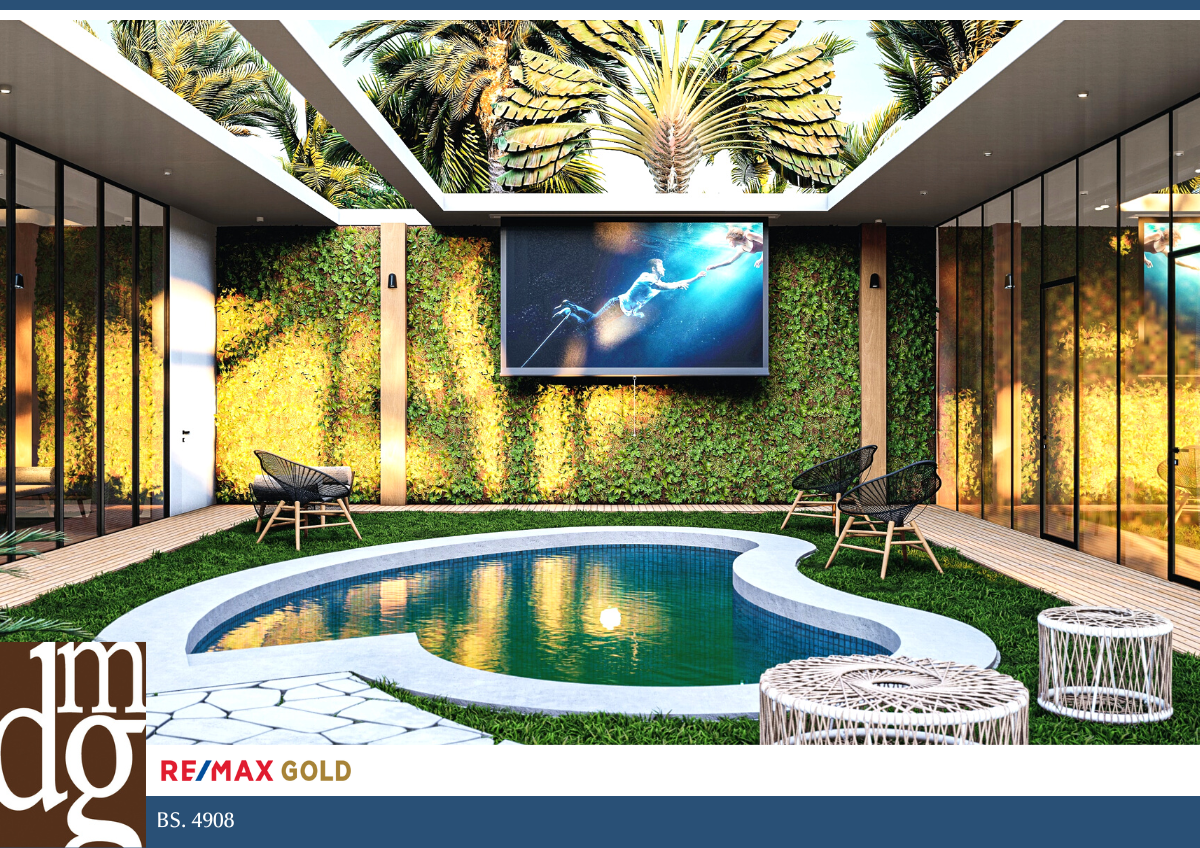
From flaming fire pits to that perfectly paved pool, backyards are often a homeowner’s secret haven and greatest ambition. However, between types of materials, plants, furniture, and decor, there’s a lot more to creating an outdoor space than commonly thought. Choosing the design of your backyard can be an overwhelming choice. Let’s dive into some modern backyard features and aesthetics to help inspire your exciting new backyard!

Open and Airy

While the concept of bringing the comfortability of our homes to the outdoors is a perfect way to enhance your backyard space, remember to embrace the best elements of the outdoors as well. Choose open and airy features such as a stunning pergola and highlight your favorite flowering plants and landscaped shrubbery.

Contrast In Materials

In modern outdoor designs, you’ll often find hard textured materials that somehow feel soft and inviting. Designers will create contrast between soft materials like lush grass, flowering plants, and low-growing greenery with harsher textures such as stone, geometric patterns, and even concrete. This creates a pleasing and exciting design that will attract the eye.

Make A Statement

Whether you’re a color fanatic looking to add that bright pop of orange to the earthy tones of the outdoors or a friend of nature wanting to grab your visitors’ attention with the splash from a trickling waterfall, making a statement is key. Once you’ve established the colors, materials, textures, and overall design of your outdoor space, break it up and break the rules!


Get the backyard of your dreams with these tips and more. Contact The David Morris Group or follow our blog to learn everything about becoming a homeowner, living in Reno, and exciting real estate market updates!

Why You Should Consider A French Country Kitchen In 2023

Timeless, elegant, and family-oriented, French-style country kitchens are the perfect design for your home transformation in 2023. These kitchens are most often created with the family in mind, creating a functional and classically designed space to spend quality time together. Combining rustic and chic designs, French country kitchens are stunning additions to the household. Often organic materials like wood and stone are used in these designs to create a soft, natural kitchen, while many vintage and antique furniture pieces are used to add a unique flair.

As you consider French country kitchens for your home makeover this year, let’s take a look at some essential features of these classy designs.

Embrace Authenticity

The vintage features of many older homes may seem like an eyesore that requires a lot of initial upkeep, but these stunning pieces can add a lot of authenticity and charm to your kitchen! Before you consider removing that rustic fireplace or beautifully aged mantelpiece, consider how these vintage pieces can beautify the space and add their own unique allure to your home.

Natural Materials

French country kitchens truly exhibit the blend of rustic and chic, and what’s more rustic than the natural elements? Soft wood cabinets paired with stone countertops are a great way to lean into the French country style. Organic materials like these can add warmth and texture to the space, making your kitchen an exciting and dynamic place to be! Remember, natural elements often require certain cleaning supplies like oil to properly maintain them.

Budget-Friendly Transformations

Planning for a complete kitchen renovation can be a big investment, but that shouldn’t discourage you! Instead of an entire remodel, consider making a few, smart swaps and design changes that will shift the direction of your kitchen style. Find a colorful rug to decorate the room, invest in functional furniture, and try out unique shapes and sizes to break up the space!

French country kitchens are an elegant addition to any home! For more kitchen design ideas, contact the David Morris Group or find interesting homeowner insights on our blog.