
Infrastructure Is Reshaping Mobility (and Growth Patterns) in Northern Nevada
In real estate, there are the obvious drivers of value, including location, condition, timing, and then there are the quieter forces working behind the scenes. Infrastructure is one of those forces.
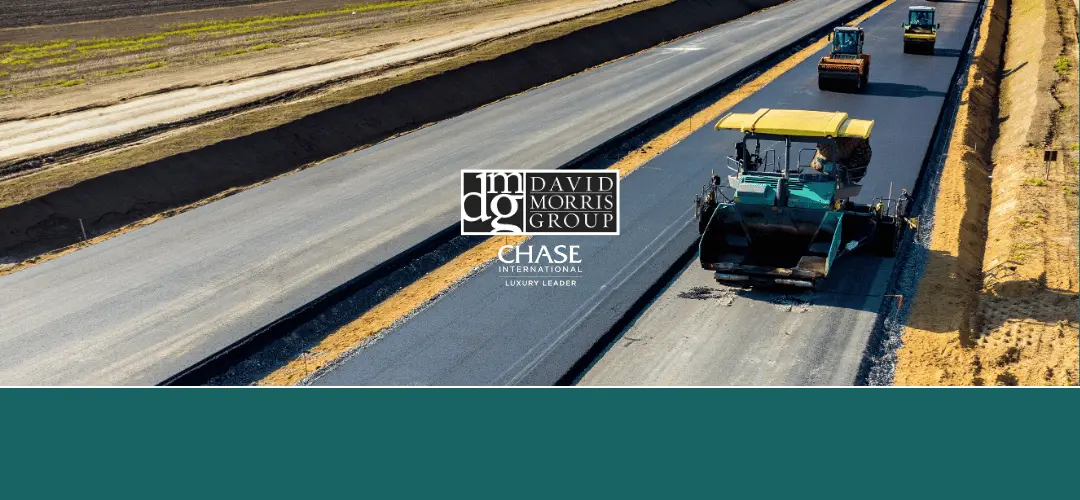
Across Reno, Sparks, and the surrounding Northern Nevada region, significant infrastructure investments are underway. While they may not always grab headlines the way new developments do, these projects are actively reshaping how people move, where growth happens, and ultimately, how property values evolve.
From our perspective at The David Morris Group, this is one of the most important (and often underappreciated) stories unfolding in our market right now.
The Projects Driving Change
Mill Street Capacity and Safety Project (through mid-2026)
Mill Street has long served as a vital east-west connector through Reno, linking residential neighborhoods with employment hubs, industrial areas, and key access points across the city. The current improvements are focused on increasing roadway capacity, enhancing safety features, and improving traffic flow for both commuters and commercial vehicles.
But the real impact goes beyond smoother traffic patterns. When a corridor like Mill Street becomes more efficient and reliable, it often attracts additional business investment, supports logistics and distribution growth, and increases the overall desirability of nearby properties. Over time, these types of upgrades can reposition an entire corridor from “functional” to “strategic.”
Arlington Avenue Bridge Replacements and Park Improvements (Expected Summer 2026)
The Arlington Avenue bridges sit at the heart of one of Reno’s most recognizable and beloved areas: the Truckee River corridor. Their replacement, paired with enhancements to nearby parks and public spaces, represents a meaningful investment in both infrastructure and quality of life.
Projects like this are about more than replacing aging structures. They’re about creating an experience. Improved pedestrian access, enhanced aesthetics, and better integration with surrounding public spaces contribute to a stronger sense of place.
From a real estate perspective, these improvements tend to elevate surrounding neighborhoods. Walkability, access to green space, and proximity to well-designed public areas consistently rank among the top drivers of buyer demand. Over time, this kind of investment can transform already desirable areas into premium locations.
Highway 395 Widening and I-80 Bridge Replacements
At the regional level, some of the most impactful changes are occurring along major transportation corridors such as Highway 395 and Interstate 80.
The widening of Highway 395 and the replacement of multiple I-80 bridges are designed to improve traffic flow, reduce bottlenecks, and better accommodate Northern Nevada’s continued population and job growth. These are not small-scale upgrades…they are foundational improvements that support the long-term functionality of the entire region.
For homeowners and investors, proximity to efficient freeway access is a major consideration. Reduced commute times, improved freight movement, and better regional connectivity all contribute to increased desirability. Areas that benefit from improved access often experience stronger demand, particularly as more people prioritize convenience and flexibility in their daily routines.
Citywide Transportation Upgrades: Virginia Street and BRT Improvements
Virginia Street is often referred to as the backbone of Reno, and for good reason. It connects downtown, midtown, and key commercial and residential areas throughout the city.
Ongoing reconstruction efforts, along with enhancements to the RAPID Bus Rapid Transit (BRT) system, are helping to modernize this corridor. These improvements are designed to support more efficient public transportation, improve pedestrian access, and create a more cohesive urban environment.
Cities across the country have shown that when you invest in transit-oriented infrastructure, you encourage density, support local businesses, and create more vibrant, connected communities. In Reno, these upgrades are laying the groundwork for continued revitalization and long-term urban growth.
Why This Matters for Real Estate
Infrastructure projects like these don’t just improve roads…they shape behavior, influence decision-making, and ultimately drive value.
Here’s how that plays out in real time:
Improved Accessibility = Expanded Buyer Interest
When commute times decrease and access improves, more buyers are willing to consider areas that may have previously felt too far or inconvenient. This expands the buyer pool and can increase competition in those neighborhoods.
New Development Corridors Take Shape
Infrastructure often precedes development. When roads are widened, bridges are replaced, and transit systems are enhanced, it signals that an area is preparing for growth. Developers tend to follow these signals, bringing new residential communities, retail centers, and mixed-use projects with them.
Revitalization Gains Momentum
Projects that incorporate walkability, public spaces, and improved transit access tend to accelerate neighborhood revitalization. As these areas become more desirable, they often attract new businesses, restaurants, and amenities, further increasing their appeal.
Long-Term Appreciation Potential
While construction phases can feel disruptive in the short term, they are often indicators of long-term value creation. Areas that benefit from sustained infrastructure investment typically see stronger appreciation over time compared to those that do not.
The Bigger Picture: Following the Path of Growth
One of the most valuable insights we can offer our clients is this: growth is rarely random.
It tends to follow infrastructure.
When cities and municipalities invest heavily in roads, bridges, and transit systems, it’s usually because they anticipate continued expansion, whether in population, employment, or economic activity. These investments are strategic, and they often point directly to where future demand will be strongest.
For buyers, this can mean identifying opportunities before they become widely recognized.
For sellers, it can mean understanding how upcoming improvements may impact timing and pricing strategy.
For investors, it can mean aligning with long-term growth patterns rather than short-term trends.
Final Thoughts from The David Morris Group
Northern Nevada is in a period of meaningful evolution, and infrastructure is at the center of that transformation.
These projects may not always dominate headlines, but they are quietly shaping how our region functions and how it grows. They influence everything from daily commutes to long-term development patterns, and they play a critical role in determining where value is created over time.
At The David Morris Group, we believe that understanding these underlying drivers is essential to making informed real estate decisions. Whether you’re buying, selling, or investing, knowing where infrastructure is improving (and where it’s headed next) can give you a significant advantage.
If you’d like to talk through how these changes may impact your specific goals, we’re always here to help you navigate what’s next: 775) 828-4292 or [email protected].