
Cash Transactions vs. Financing in the 2026 Tahoe Luxury Market

Cash Transactions vs. Financing in the 2026 Tahoe Luxury Market

In the 2026 Lake Tahoe luxury market, a buyer’s method of payment reveals more than whether a lender is involved. It can signal liquidity, risk tolerance, portfolio strategy, timing pressure, and the buyer’s confidence in a particular property.


For sellers, however, the most important question is not simply, “Is this a cash offer?” It is:

Which offer delivers the strongest combination of price, certainty, timing, and acceptable risk?


That distinction matters in Tahoe because the market is highly segmented. A $2 million second home, a $6 million Martis Camp residence, and a $20 million Nevada lakefront estate do not draw the same buyer pool or follow the same financing patterns. The higher and more irreplaceable the property, the more liquidity tends to shape the transaction—and the less useful broad housing-market averages become.

The Cash-Versus-Financing Ratio: What the Data Can (and Cannot) Tell Us

The most responsible reading of the 2026 data begins with a limitation: publicly released Tahoe market summaries do not provide one verified, basin-wide ratio of cash purchases to financed purchases in the luxury tier. They report price bands, closed sales, volume, median prices, and days on market, but not a complete payment-method field. Quoting a precise “Tahoe cash percentage” without transaction-level deed or loan records would therefore overstate what the public data establishes.


What the reports do show is a market with a substantial concentration of high-value transactions. Through June 30, 2026, the Tahoe–Truckee–Incline Village region recorded 482 residential sales. Of those, 106—or 22%—closed above $2 million; 31 closed above $5 million; and 10 closed above $10 million. A separate midyear analysis found that 54 of 85 Incline Village and Crystal Bay single-family sales, or 64%, exceeded $2 million, while 17 exceeded $5 million. Every one of the 10 reported lakefront sales closed above $5 million.


Those figures do not identify payment type, but they do establish the size of the buyer-liquidity question. Tahoe is producing enough high-dollar closings that sellers should expect a meaningful mix of outright cash, jumbo mortgages, portfolio loans, private-bank financing, and buyers who can remove a financing contingency even if they choose to borrow after closing.

2026 market lensCashFinancedWhat sellers should conclude
Tahoe luxury, basin-wideNot publicly reportedNot publicly reportedRequire property- and submarket-specific analysis rather than relying on an unverified headline ratio.
All U.S. sales, Q1 2026 (ATTOM)41.7%58.3%Cash remains important nationally, although this includes every price tier and is not a Tahoe proxy.
40 large U.S. metros, March 2026 (Redfin)28.8%71.2%Different datasets produce different totals; Redfin counts a sale as cash when no mortgage appears on the deed.
$1M–$2M luxury example highlighted by Realtor.com46.5%53.5%Entry luxury can still contain a slight financing majority.
$2M–$5M luxury example highlighted by Realtor.com64.4%35.6%Cash becomes more prevalent as price rises.
$5M–$10M luxury example highlighted by Realtor.com84.7%15.3%At the upper end, the available buyer pool can be overwhelmingly liquid.
Above $10M luxury example highlighted by Realtor.com60.9%39.1%Complex wealth and ownership structures can make financing strategic rather than necessary.

Realtor.com cited the price-tier percentages in the final four rows from National Association of REALTORS® data while discussing Miami as an example of a major luxury market. They are not Tahoe statistics. They are useful because they illustrate a broader liquidity curve: cash usage generally rises with price, but it does not increase in a perfectly straight line.

Why a Financed Luxury Offer May Still Represent Substantial Liquidity

In the conventional market, financing often reflects what a buyer can afford. In the luxury market, financing may instead reflect how a buyer prefers to allocate capital.


A high-net-worth buyer may use a jumbo mortgage, a portfolio loan, or a private-bank facility to avoid liquidating concentrated stock, creating a taxable event, or removing capital from other investments. Goldman Sachs notes that wealthy buyers often borrow strategically to preserve liquidity, optimize investments, and maintain financial flexibility. Portfolio mortgages can also offer customized qualification and privacy features for high-value properties.


That means sellers should avoid two common mistakes. The first is assuming that every cash buyer is financially stronger than every financed buyer. The second is assuming that a financed buyer is highly sensitive to the monthly payment.


The 2026 baseline conforming loan limit is $832,750, with a one-unit ceiling of $1,249,125 in qualifying high-cost areas. Most Tahoe luxury purchases therefore require either significant equity or nonconforming financing. A buyer seeking a $3 million loan may have extensive verified assets and a long private-banking relationship, even though a loan appears in the offer.


Rates still influence behavior. Freddie Mac’s national average for a 30-year fixed conforming mortgage was 6.76% for the week of September 10, 2026, up from 6.35% one year earlier. This is not a Tahoe jumbo rate, but it helps explain why buyers who can avoid conventional borrowing may choose to do so. It also explains why some highly liquid buyers finance selectively rather than automatically.

What Cash Changes in a Tahoe Negotiation

Cash can improve an offer in four practical ways. It can eliminate a loan contingency, reduce appraisal exposure, shorten the closing timeline, and lower the risk that a lender’s underwriting decision disrupts the transaction.


Those advantages have value, but they do not have unlimited value.


A seller should not automatically accept a materially lower price just because it is attached to proof of funds. The correct decision depends on the spread between offers, the buyer’s diligence requests, the proposed closing date, the strength of the deposit, and the consequences if the transaction fails.

Offer characteristicSeller advantageQuestion to verify
All cash with current proof of fundsHigh certainty and fewer third-party conditionsAre the funds liquid, accessible, and sufficient for the purchase and closing costs?
Financing with no loan contingencyBuyer may preserve capital without transferring lender risk to the sellerCan the buyer close from other assets if the loan is delayed or denied?
Financing with an appraisal contingencyMay support a higher nominal priceWhat happens if the appraisal is below contract price?
Fast closeReduces market exposure and carrying timeDoes speed benefit the seller’s move, tax planning, or replacement purchase?
Longer close with stronger economicsMay produce a higher net resultIs the added price worth the additional execution and timing risk?

In other words, cash is a term—not a verdict. A clean $5.8 million cash offer may be superior to a $6 million financed offer with broad contingencies. A fully underwritten $6 million financed offer with a meaningful deposit and verified reserves may be stronger than a $5.8 million “cash” offer whose funds are not yet liquid.

Liquidity Strengthens Sellers Most When the Property Is Scarce

Cash alone does not create seller leverage. Competition for an irreplaceable property creates leverage. Liquidity determines how quickly qualified buyers can act on that competition.


The first half of 2026 demonstrated this distinction. Ten lakefront homes in the reported California-and-Nevada segment sold through June, compared with four in the same period of 2025. Lakefront sales volume increased 150%, the median price rose 49%, and average days on market fell 41%. One Glenbrook property sold for $22.15 million after receiving multiple offers within a week and closed $2.65 million above asking price.


That is the environment in which cash becomes most powerful: several capable buyers recognize that the same combination of frontage, views, pier rights, privacy, or Nevada-side location may not be available again soon.


Yet sellers should not apply trophy-property logic to every listing. Across the broader Tahoe–Truckee region in July, approximately 29% to 31% of active listings had already received at least one price reduction, with an average reduction of 6.8%. Even an affluent buyer pool remains disciplined when a property is replaceable or its asking price is disconnected from recent evidence.


Liquidity can accelerate a correctly positioned sale. It does not rescue aspirational pricing.


What Today’s Buyer Profile Means for Tahoe Sellers

The 2026 luxury buyer is not one-dimensional. Coldwell Banker Global Luxury reported that 63% of surveyed Luxury Property Specialists saw an increase in all-cash purchases among luxury clients, up from 51% one year earlier. The same report described a widening “liquidity line”: ultra-high-net-worth buyers were accelerating purchases, while buyers immediately below that tier were more likely to wait for rate or economic clarity.


We see three implications for Tahoe sellers.


First, the top of the market may be less rate-sensitive, but it is not less sophisticated. Liquid buyers still scrutinize value, title, insurability, condition, shoreline rights, permits, and future usability. They can move quickly precisely because they have the resources and advisory teams to evaluate risk efficiently.


Second, financed buyers should be graded by execution strength rather than by loan status alone. A private-bank borrower with substantial reserves may present less risk than a nominal cash buyer who needs to sell securities, move funds between entities, or unwind another transaction before closing.


Third, the seller’s negotiation strategy should change by tier. In the $2 million to $5 million range, carrying costs and rate sensitivity may have more influence. Above $5 million—and especially for scarce lakefront and Nevada-side properties—the discussion increasingly centers on uniqueness, privacy, lifestyle, and long-term asset value.


The David Morris Group Seller Playbook

For a luxury listing, we recommend preparing to evaluate the buyer’s entire capital position—not simply the box checked next to “cash” or “financing.”


Before launch, pricing should be calibrated to the property’s true competitive set. Tahoe is not one market. Incline Village, Crystal Bay, Glenbrook, the East Shore, the California North and West Shores, Truckee, and private resort communities each have distinct demand and liquidity patterns.


The property should also be made easy to underwrite. A well-organized diligence package can include title information, permits, surveys, insurance history, homeowners’ association documents, utility records, and documentation for piers, buoys, defensible space, or major improvements where applicable. Certainty attracts decisive buyers.


When offers arrive, the comparison should focus on net proceeds, contingency exposure, verified liquidity, deposit strength, closing timing, and the buyer’s ability to perform. Proof of funds should be current and specific enough to support the offer. A financed buyer’s lender, underwriting status, loan structure, appraisal plan, and reserve position should be examined with equal care.


Finally, concessions should be priced rather than assumed. If a cash buyer requests a discount for speed and certainty, the seller should quantify what that certainty is actually worth. If a financed buyer offers more, the seller should quantify the added risk. This is where experienced representation turns an attractive headline price into a reliable closing.


Our Perspective

The 2026 Tahoe luxury market is best understood as a liquidity-stratified market. The higher the price and the rarer the property, the more likely buyers are to possess the resources to transact without conventional financing. But visible financing does not necessarily indicate financial constraint, just as a cash label does not guarantee perfect execution.


For sellers, the practical advantage is clear. A deeply liquid buyer pool can reduce rate sensitivity and support decisive action on exceptional properties. The strategic challenge is equally clear: the strongest offer is the one that converts buyer capacity into the best risk-adjusted result.


The David Morris Group brings in-depth knowledge of Reno, Sparks, Incline Village, and the greater Lake Tahoe market, along with strategic marketing and focused negotiation. If you are considering selling a luxury property, we can prepare a property-specific analysis of recent comparable sales, buyer depth, pricing, and the terms most likely to protect your leverage.

Contact The David Morris Group Today
📞 (775) 828-3292
✉️ [email protected]
🌐 DavidMorrisGroup.com

This article is for general market information only. It is not legal, tax, lending, or investment advice. Market statistics are subject to revision, and definitions of “luxury” vary by source and submarket.

David Morris Group - Signs It’s Time to Relocate to Reno - Relocating to Reno - Moving to Reno - Reno Real Estate

Relocation Guide: Signs It’s Time to Relocate to Reno

David Morris Group - Signs It’s Time to Relocate to Reno - Relocating to Reno - Moving to Reno - Reno Real Estate

Questioning if you’re in the right place can lead to some distress, especially when you start to think about what moving entails – finding a new home, listing your old home, packing, job security, etc. While we won’t say that moving is ever easy or always the right move, there are some things to be watchful for. Here are a few signs it’s time to relocate to Reno.

Financially Responsible

Prices are increasing everywhere, especially in the real estate market. When you compare the cost of living in California and other metros to the cost of living in Reno, Northern Nevada may help you increase the amount of disposable income you have to spend each month. Consider if the housing, utilities, food, healthcare, education, transportation, etc., are more affordable for you in Reno compared to the costs you face now.

Rewarding Job Opportunities

The pandemic has created some burnout in several industries, and it’s becoming a time of transition. Many are looking to switch jobs, companies, and even career fields. If you’re feeling overworked and underappreciated in your current career, take a look at the job opportunities in Reno. With an entrepreneurial spirit and a growth in tech and manufacturing employment opportunities, Reno businesses are always looking to add to their creative workforces.

Overall Happiness

One complaint can spiral into many. If you’re finding it hard to find the bright side in where you’re currently living, it may be time to move. Your peace of mind and mental health is the most important factor to consider. Your home should be an oasis, a place where you can unwind at the end of the day and create beautiful memories, but if it’s becoming a stress-inducer or if it no longer offers you the space you need, consider new solutions.

Looking to Explore

Many metropolitan areas fall short on open space and outdoor activities available. If you have the heart of an explorer, want to breathe in the fresh air, or have an outdoor hobby, Reno is a great place to be. With tons of hiking and biking trails, an easy commute to Tahoe, and tons of parks and green spaces, you’ll never run out of areas to explore and spend your free time.

Easier Commutes

Are you spending hours in traffic each day? It’s common in cities and suburbs worldwide, but in Reno, you can get practically anywhere around the city in under 20 minutes. Chauffeuring kids to school or heading into the office is shockingly quick. Can you say that about where you’re living now?


Reno is a great place to call home, but we recommend weighing the pros and cons for yourself. These are but some of the signs it’s time to relocate to Reno, but if you’d like to chat about your personal circumstances and what it’s like living in the Reno-Sparks community, contact the David Morris Group. We’re always happy to share our knowledge of the area and the real estate market!


David Morris Group - Relocation Guide Moving Tips That Will Make Relocating Less Stressful - Moving to Reno - Relocating to Reno - Moving Tips - Moving to Reno Nevada

Relocation Guide: Moving Tips That Will Make Relocating Less Stressful

David Morris Group - Relocation Guide Moving Tips That Will Make Relocating Less Stressful - Moving to Reno - Relocating to Reno - Moving Tips - Moving to Reno Nevada

Moving can be time-consuming and requires a lot of energy to ensure everything goes smoothly. If you plan to pack up and move into a new home sometime this year, be sure to save these moving tips that will make relocating less stressful.


  1. Each member of the household should pack their essentials in an overnight bag. Include a few days worth of clothes, any toiletries needed, and important electronics.
  2. The items that need to be unpacked first should be packed in clear storage containers, so you can see what’s in them and separate them from the sea of cardboard boxes. These items should include the things you’ll need to get into the boxes, important documents, cleaning supplies, etc.
  3. When labeling your boxes, make sure to include what’s in them and which room they go in. Also, be sure to label the boxes on the side, so you can read them when they’re stacked on top of one another.
  4. When packing makeup, add an extra cotton pad or cotton ball in powder products to keep it from breaking during the move.
  5. To reduce the risk of your dishware breaking, pack plates vertically.
  6. Have sandwich bags ready for the small parts and pieces for anything you need to take apart and put back together in your new place. Be sure to label the bags with what the parts are for and which room they go in as well.
  7. Snap a picture of how all of your electronics are connected, so you have something to reference when setting up everything in your new home.
  8. If you’re moving your refrigerator, defrost it at least 24 hours before moving and wipe up any liquid.
  9. If you don’t want to purchase bubble wrap or packing paper, wrap your fragile items in articles of clothing.
  10. If you’re packing chairs, tables, and any other furniture item with legs, use wooden beams to keep them stable. Wrap the piece of furniture in a sturdy cloth or blanket, then criss-cross a pair of beams in the center of the legs. Secure the beams to the legs with lots of packing tape.

There are all kinds of ways you can make moving a little easier on you and everyone in your household. These are our favorite moving tips that will make relocating less stressful, but we’re always here to offer advice. ​​​​If you have questions about moving or what it’s like relocating to the Reno-Sparks community, contact the David Morris Group. We’re always happy to share our knowledge of the area and the real estate market!


David Morris Group - Relocation Guide Reno Revitalization and How Business is Booming - Reno Relocation Guide - Reno Revitalization - Relocating to Reno - Moving to Reno

Relocation Guide: Reno Revitalization and How Business is Booming

David Morris Group - Relocation Guide Reno Revitalization and How Business is Booming - Reno Relocation Guide - Reno Revitalization - Relocating to Reno - Moving to Reno

Across Northern Nevada, there has been a rebound and a rebirth. Retailers are coming back, and the City of Reno is focusing on new economic developments that move away from the gaming industry, which has been rooted in the city’s history for decades. Let’s take a look at the Reno revitalization and how business is booming across the area.

Retailers are Bouncing Back

The pandemic caused a lot of restrictions and strains on businesses across the world, and Reno was no different, but in the third quarter of 2021, we’ve seen some massive improvements to how the city and its residents are adjusting. According to Nevada’s Department of Taxation, Washoe County’s taxable sales for July totaled more than $1 billion, a 23% increase from July 2020. Taxable sales for June also showed a 30% increase year-over-year at $1.16 billion.


With the influx of relocators from California, bringing their existing businesses or creating a franchise location, business is expanding, and retailers are seeing amazing sales volumes. In fact, commercial vacancies are below the already low values seen before the pandemic hit.

Good News for Retail Centers

The Reno and Sparks area has been undergoing a lot of revitalization and change over the last few years. The pandemic had put a pause on some of the construction projects as many weren’t sure how Reno would bounce back, but with the increase in retail sales and vacancies, there’s a renewed vigor for projects like The Oddie District in Sparks, as well as the Reno Public Market and the retail component of the Reno Experience District.

Reno Continues to Revitalize the City

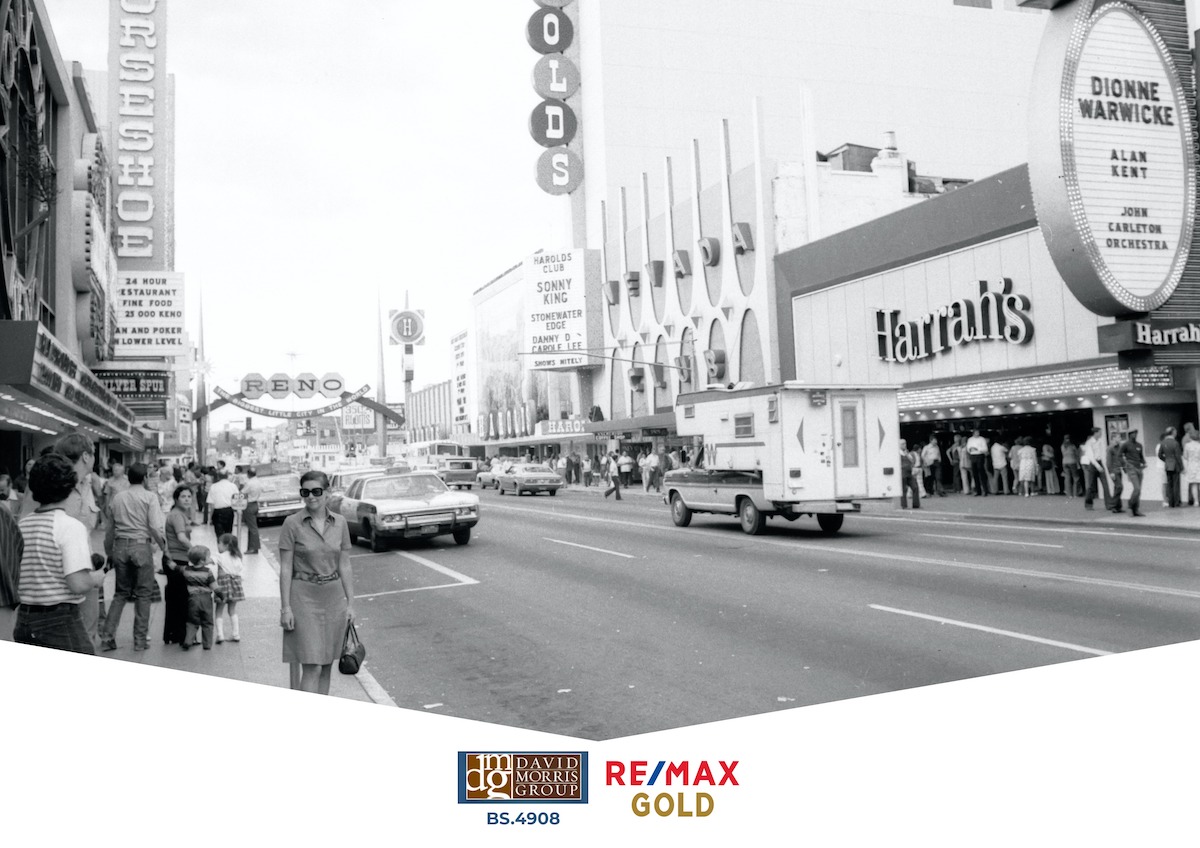
The wave of retailer growth isn’t the only change you can expect from the City of Reno. The recent closure of Harrah’s after over 80 years in Reno was a big push for the city to broaden its economy and move away from the gaming industry. The hotel-casino is being converted into the Reno City Center, a mixed-use development with one and two-bedroom residential units, commercial office space, restaurants, and retail space.


City leaders are hoping to use the excitement for the city center to push more developments that would transform the gaming destination downtown Reno is into a place full of affordable living spaces, vibrant restaurants, stylish hotel rooms, and exciting entertainment options.


Partnered with EDAWN’s efforts on bringing technology companies, manufacturing businesses, and non-gaming industries into the region, the city is making marked improvements to reduce its reliance on casinos and the gaming industry as a whole.


Every year Reno evolves and finds new opportunities to promote growth and change. Reno’s ability to bounce back and accept innovation makes us excited to see what 2022 has in store. ​​​​If you have questions about moving or what it’s like relocating to the Reno-Sparks community, contact the David Morris Group. We’re always happy to share our knowledge of the area and the real estate market!


David Morris Group - Relocation Guide Reno is One of the Best Ski Towns in the U.S. - Reno Relocation Guide - Relocating to Reno - Moving to Reno - Reno Nevada Relocation Guide

Relocation Guide: Reno is One of the Best Ski Towns in the U.S.

David Morris Group - Relocation Guide Reno is One of the Best Ski Towns in the U.S. - Reno Relocation Guide - Relocating to Reno - Moving to Reno - Reno Nevada Relocation Guide

We acknowledge that we may be a little biased to call Reno the best ski town in the U.S., but it’s true. With more than a dozen ski resorts just a short driving distance from the Biggest Little City in the World, we’re pretty lucky to be able to enjoy all of the amenities and winter sports offered by being so close to the mountains.


Northern Nevada also once had the highest concentration of ski and snowboard resorts in all of North America. While the area has slipped in the rankings slightly, there are no shortage of resorts to visit, including:

  1. Boreal
  2. Diamond Peak
  3. Donner Ski Ranch
  4. Granlibakken
  5. Heavenly Mountain Resort
  6. Homewood Mountain Resort
  7. Kirkwood Mountain Resort
  8. Mt. Rose Ski Tahoe
  9. Northstar California Resort
  10. Palisades Tahoe
  11. Royal Gorge
  12. Sierra-at-Tahoe
  13. Soda Springs Ski Resort
  14. Sugar Bowl Resort
  15. Tahoe Donner

The Reno-Tahoe area gets more than 400 inches of snow each year, and the ski season often lasts from November through April. This fact alone draws in hundreds of skiers and snowboarders each year, but there are some places that only locals would know about, like Sky Tavern.


Sky Tavern has taught thousands of people how to ski or ride, and recently they won the coveted National Ski Area Association “Conversion Cup.” That’s an award given to the North American ski area deemed best at “creating lifelong enthusiasts.” Sky Tavern isn’t just known for teaching kids to navigate the fresh powder like pros. They also host a variety of programs and classes, including a ski swap and a ski and snowboard rental.


If you still don’t believe us when we say Reno is one of the best ski towns in the U.S., Reno was also voted the second-best ski town in the USA TODAY 10BEST Reader’s Choice 2016.


The snowy weather is just one of the things we love about calling Reno home. ​​​​If you have questions about moving or what it’s like relocating to the Reno-Sparks community, contact the David Morris Group. We’re always happy to share our knowledge of the area and the real estate market!


David Morris Group - Relocation Guide Reno-Tahoe International Airport Makes Travel Easy - Reno Relocation Guide - Reno Airport - Travel to Reno - Move to Reno

Relocation Guide: Reno-Tahoe International Airport Makes Travel Easy

David Morris Group - Relocation Guide Reno-Tahoe International Airport Makes Travel Easy - Reno Relocation Guide - Reno Airport - Travel to Reno - Move to Reno

One of the best parts about calling Reno home is that traveling is so easy! Not only are so many cities within driving distance, but the nearby airport makes it easy to hop on a plane to make it to your business meeting, visit with loved ones, or explore the world. Let’s take a look at some of the ways that the Reno-Tahoe International Airport makes travel easy.

Scheduled Service Airlines

Non-Stop Destinations

The Reno-Tahoe International Airport continues to add services, and that includes adding more non-stop destinations. The current list of non-stop destinations include:

  • Atlanta (ATL) – Seasonal
  • Austin (AUS)
  • Burbank (BUR)
  • Charlotte/Douglas (CLT) – Seasonal
  • Chicago/Midway (MDW) – Seasonal
  • Chicago/O’Hare (ORD) – Seasonal
  • Dallas/Ft. Worth (DFW)
  • Dallas Love Field (DAL) – Seasonal
  • Denver (DEN)
  • Guadalajara Mexico
  • Houston/Hobby (HOU) – Seasonal
  • Houston/Intercontinental (IAH)
  • Jackson Hole (JAC) – Seasonal
  • Las Vegas (LAS)
  • Long Beach (LGB)
  • Los Angeles (LAX)
  • Medford (MFR)
  • New York (JFK)
  • Oakland (OAK)
  • Orange County (SNA)
  • Palm Springs (PSP) – Seasonal
  • Pasco (PSC)
  • Phoenix (PHX)
  • Portland (PDX)
  • Salt Lake City (SLC)
  • San Diego (SAN)
  • San Francisco (SFO)
  • San Jose (SJC)
  • Seattle (SEA)

Rental Car Agencies and Shuttles at the Airport

To make travel easier once you land in Reno, there are several rental car providers and shuttles.

Rental Car Providers Located in Baggage Claim:

Paid Shuttles:

Complimentary Hotel Shuttles:

  • Aloft Reno-Tahoe International Airport
  • Atlantis
  • Circus Circus
  • Eldorado
  • Grand Sierra Resort and Casino (GSR)
  • Hyatt Place Reno-Tahoe Airport
  • Nugget Casino Resort
  • Peppermill
  • Silver Legacy
  • SureStay Plus Hotel Reno Airport

For more information on how to request a shuttle for each of these hotels, click here.


Whether you plan to do a lot of traveling, venture out a few times a year, or plan to have loved ones come for a visit, the Reno-Tahoe International Airport is very easy to navigate. If you have questions about what it’s like relocating to the Reno-Sparks community, contact the David Morris Group. We’re always happy to share our knowledge of the area and the real estate market!


David Morris Group - Relocation Guide Earthquake Preparedness - Earthquake Preparedness Kit - Emergency Preparedness - Reno Relocation Guide

Relocation Guide: Earthquake Preparedness

David Morris Group - Relocation Guide Earthquake Preparedness - Earthquake Preparedness Kit - Emergency Preparedness - Reno Relocation Guide

Did you know that the University of Nevada, Reno has a seismological laboratory? They monitor all of the earthquakes and tremors that occur in the area and keep a record of them. While many are relatively small and go undetected by residents, Reno has been known to experience larger earthquakes and aftershocks from earthquakes happening in California. With that information in mind, we’ve put together some earthquake preparedness tips that you should keep handy.

Create an Earthquake Kit

Every home should have an emergency kit with supplies that can sustain every individual in the house (including pets) for three days to a week. Items you should add to your emergency kit include:

  • Non-perishable food
  • Bottled water – 1-gallon per person per day
  • Battery-powered radio
  • First aid kit
  • Sleeping bags and blankets
  • Manual can opener
  • Waterproof/windproof matches
  • Flashlight and spare batteries
  • Water purification tablets
  • Utility knife
  • Emergency candles
  • Extra eyeglasses/contact lenses
  • Essential medications
  • Extra clothing
  • Plastic bags and ties
  • Disinfectant
  • Paper cups and plates
  • Personal toiletries and hygiene products
  • Baby/infant supplies
  • Aluminum foil
  • Paper towels
  • Plastic utensils
  • Soap
  • Work gloves
  • Important documents

What to do During an Earthquake

If you are inside:

  1. Get low to the ground and get under a sturdy piece of furniture, like a table, desk, etc. If there isn’t anything sturdy to cover you, head to an inside corner of the building and cover your head with your hands. Be sure to stay away from glass, windows, and anything that could fall on you.
  2. If you’re in bed when the shaking begins, stay there and protect your head and body with your pillows and blankets. If there is a large light fixture/fan above you, move to a safer place.
  3. If you’re close to a strongly supported, loadbearing doorway, use it as shelter, but remember to remain low and protect your head with your arms.
  4. Stay in a safe place until the shaking stops, and do not use elevators.

If you are outside:

  1. Stay outside and move away from buildings, streetlights, and utility wires. Find an open space you can stay until the shaking stops.

If you are in your car:

  1. Stop where it is safe to do so and avoid being near or under buildings, trees, overpasses, lights, utility wires, etc.

What to Expect After an Earthquake

  • Aftershocks are common after an earthquake, and they can occur in the first hours, days, weeks, or even months after the quake. These aftershocks are usually less violent than the main earthquake, but they can still do damage and should be handled just as earthquakes are.
  • Only use the phone for emergency calls as the lines can become jammed after a natural disaster.
  • Open cabinets cautiously as objects have likely been jostled and may fall out.
  • Clean up spilled medicines, bleaches, gasoline, and all other flammable liquids immediately.
  • Inspect your chimneys for damage.
  • Inspect utilities.
    • Check for gas leaks. If you smell gas or hear a hissing noise, open a window and quickly leave the building. Turn off the gas if you can and call the gas company from a neighbor’s home.
    • Look for electrical system damage. If you see sparks or broken or frayed wires, turn off the electricity at the main fuse box or circuit breaker. If you have to step in water to get to the fuse box or circuit breaker, call an electrician.
    • Check for sewage and damage to the water lines. If sewage lines are damaged, avoid using the toilets and call a plumber. If water pipes are damaged, contact the water company and avoid using water from the tap.

Staying prepared for any emergency situation can help ease a stressful situation. We hope this earthquake preparedness guide helped you learn about how you should handle an earthquake should you ever experience one.


​​If you have questions about moving or what it’s like relocating to the Reno-Sparks community, contact the David Morris Group. We’re always happy to share our knowledge of the area and the real estate market!


David Morris Group - Relocation Guide The Abridged History of Reno - History of Reno Nevada - Reno Nevada Facts - Reno Relocation Guide

Relocation Guide: The Abridged History of Reno

David Morris Group - Relocation Guide The Abridged History of Reno - History of Reno Nevada - Reno Nevada Facts - Reno Relocation Guide

A city’s history can give you an interesting perspective on how the area handles change, evolves over the years, and grows to meet the needs of its residents. How a place gets its start is only the beginning of the story, but how the city handles challenges and adapts to the world around it brings life to the story. The history of Reno is full of adventure and growth — let’s dive in!


For thousands of years, the Northern Nevada geographic area has been inhabited by four contemporary tribes — Washoe, Northern Paiute, Southern Paiute, and Western Shoshone. In fact, as you explore the region, you can find ancient petroglyphs carved into the rocks.


As colonizers moved out west, Reno began as a simple crossing area for travelers heading to California to mine for gold, but a discovery of the Comstock Lode in Virginia City in 1859 would soon bring a massive influx of travelers and residents to Northern Nevada. Just as the transcontinental railroad reached Reno in 1868, the city was officially established, and from there, the city took off.


1874 brought the creation of the University of Nevada as a land-grant university, and then in 1885, the primary campus was built — solidifying Reno’s reputation as a cultural center and giving it the nickname “The Biggest Little City in the World.” The nickname highlighted the area’s wide range of amenities in a city that was relatively small in size, and the name stuck.


In the early 1900s, Reno became the divorce capital of the world, allowing residents to get a relatively quick divorce when compared to the rest of the states at this time. The 1930s was a revolutionary time for Nevada as gambling was legalized and the destination hotel and casino gaming model was created. Virginia Street then became the epicenter of the city, filling with locally-owned hotels, casinos, and retail stores.


As automobile tourism grew in the 20th century, Reno’s economy centered around tourism, gaming, and entertainment industries. Since then, Reno’s economy has also grown to include several small businesses, engineering and manufacturing jobs, and more.


Reno has a rich history and the city continues to evolve. It’s a beautiful place to call home, and if you have questions about what it’s like relocating to the Reno-Sparks community, contact the David Morris Group. We’re always happy to share our knowledge of the area and the real estate market!


David Morris Group - Relocation Guide Family-Friendly Attractions in the Reno Area - Family Activities in Reno - Family Things To Do In Reno NV - Reno Relocation Guide

Relocation Guide: Family-Friendly Attractions in the Reno Area

David Morris Group - Relocation Guide Family-Friendly Attractions in the Reno Area - Family Activities in Reno - Family Things To Do In Reno NV - Reno Relocation Guide

Reno has a long history of being a gambling town, but over the years, the Biggest Little City has grown to include swaths of small businesses, a top Carnegie® research university, eclectic communities with stunning homes, and so much more. While Reno will probably never fully ditch its party and gambling reputation, there are so many things that make it a family-friendly place to call home. To prove it to you, we’ve outlined some of our favorite family-friendly attractions in the Reno area.


  1. National Automobile Museum – As one of America’s top 10 auto museums, the National Automobile Museum is a top Reno attraction that features 200 eye-popping cars and a theater.
  2. Animal Ark – As a wildlife sanctuary and education center, Animal Ark is a safe haven for injured, abandoned, and otherwise non-releasable wildlife. They provide a lifelong home for animals that don’t have the skills to survive in the wild and encourage visitors to learn about their stories.
  3. The Discovery – Terry Lee Wells Nevada Discovery Museum – The Discovery is known for being where children can discover science through unique, hands-on programs and exhibits. There’s always something new happening at the museum. From exhibits to events and partnerships to build creative and critical thinking skills, you’ll never be bored here!
  4. Sierra Nevada Zoological Park – Home to over two hundred animals and over forty different species, the Sierra Nevada Zoological Park is the largest zoo in the state. It’s a great place to visit zebras, camels, leopards, monkeys, lions, and tigers.
  5. Wilbur D. May Museum – The Wilbur D. May Center features a museum, arboretum, and botanical gardens — leading to hours of fun! The May Museum houses the private collection of Wilbur D. May, and you’ll find thousands of rare and exotic artifacts, as well as traveling exhibitions, special programs, and events.
  6. Carnival Midway – Located in Circus Circus Reno at THE ROW, the Carnival Midway offers fun for kids and adults alike. There are more than 40 arcade-style games, circus shows, carnival acts, and more to keep everyone entertained.
  7. The Puzzle Room – This escape game is a great way to get everyone working together to piece together a series of puzzles and solve the mystery. There are five different themes to choose from, so you can keep coming back for more fun.
  8. Kimmie Candy Factory Tours – Did you know that Reno is home to a candy production facility? You can even schedule an appointment to take a free tour of the factory and watch as they create their confectionery and chocolate treats.
  9. Fly High Trampoline Park – Need to help burn off some of that excess energy that kids seem to have in abundant supply? Check out Fly High! They have foam pits, trampoline dodgeball, and areas to accommodate beginners as well as seasoned jumpers.
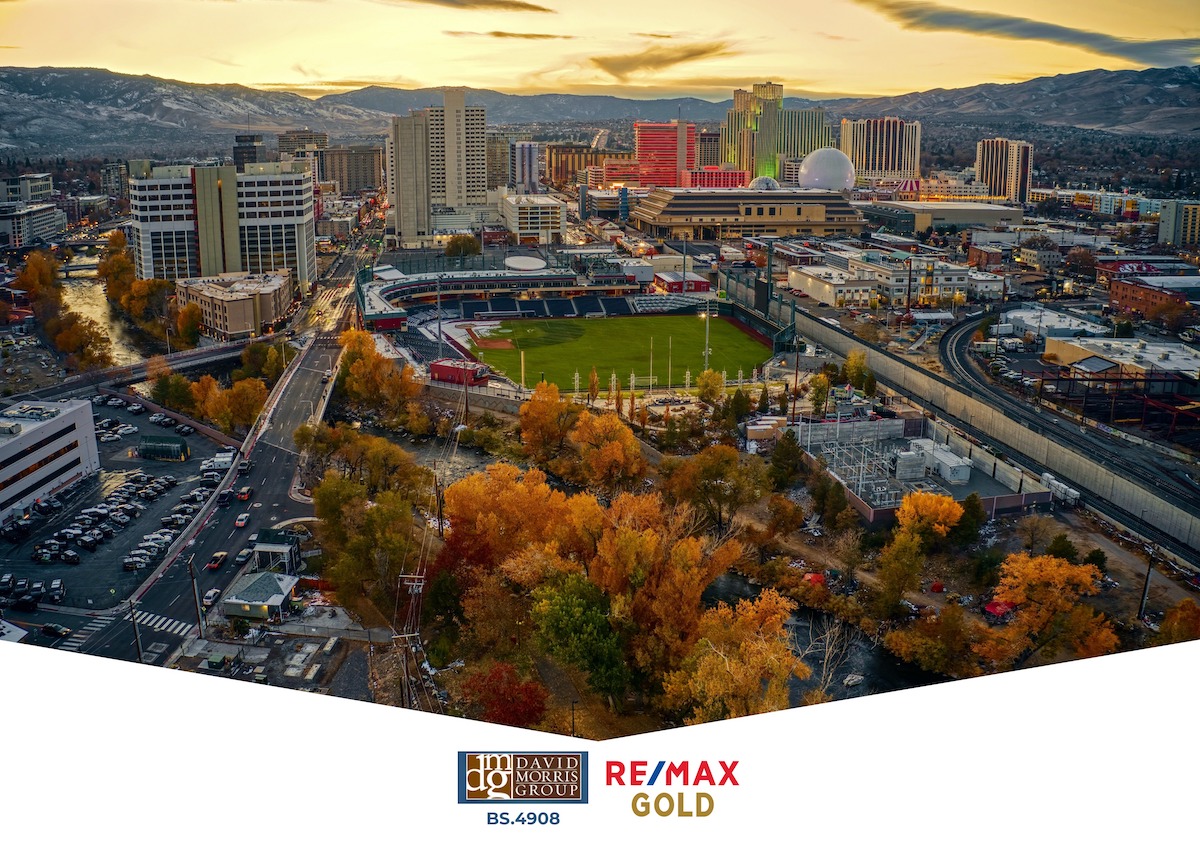
  10. Reno Aces Baseball – The spring and summer months are packed full of baseball games you can attend. There are ​​60+ home games and all kinds of special events and promotions to take part in.

This list is only the beginning of the family-friendly attractions that are at your disposal, and the list only grows each year! ​​If you have questions about moving or what it’s like relocating to the Reno-Sparks community, contact the David Morris Group. We’re always happy to share our knowledge of the area and the real estate market!